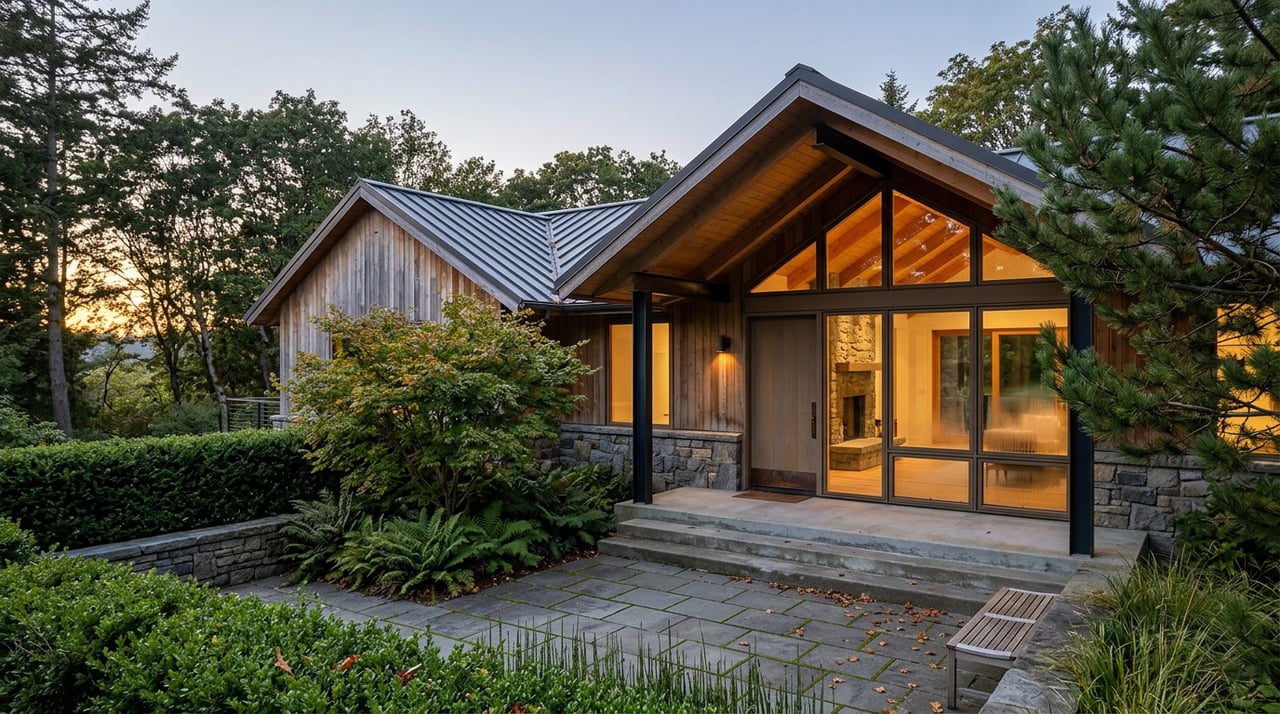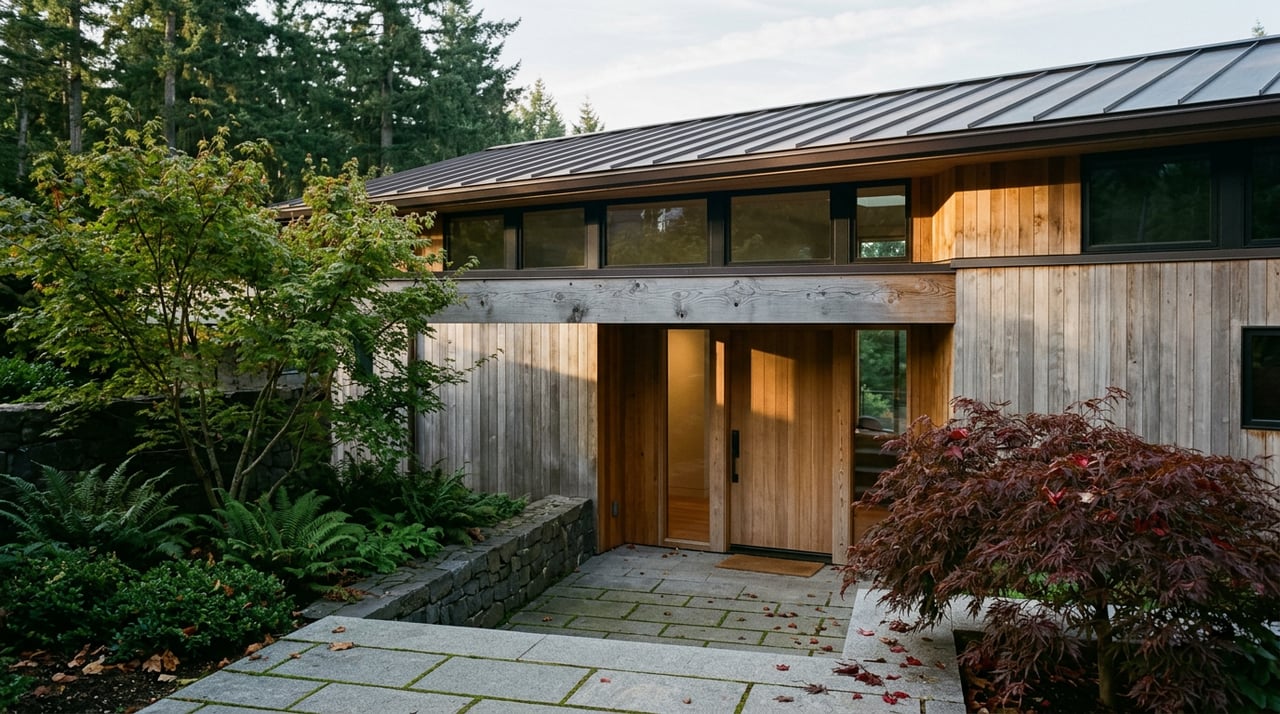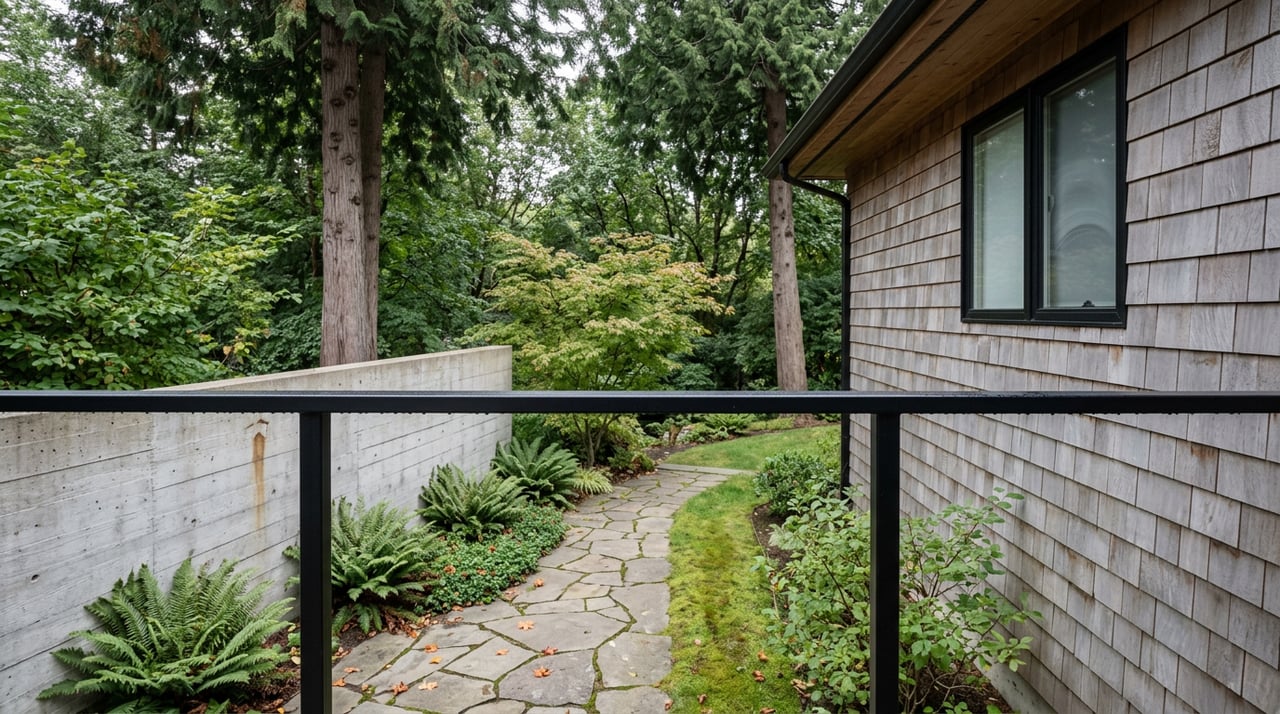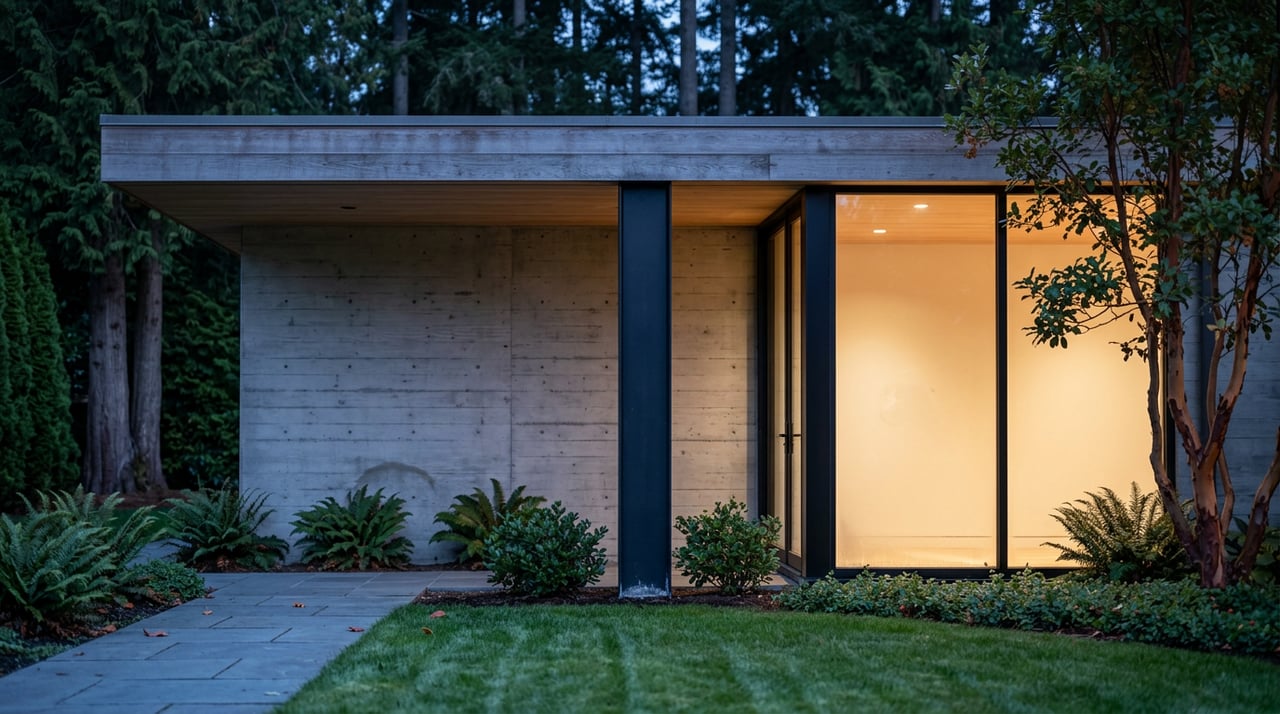
In early July, Robb Report featured a listing on Bainbridge Island's Blakely Harbor: a steel and glass home built as its architect's own residence, set on 2.5 acres with roughly 275 feet of shoreline frontage, offered at $6.8 million by Mark Middleton and Jen Cameron of The Agency Seattle. Tucked into the property is a brick structure from the late 1800s, converted into guest quarters with bunk beds, a quiet nod to the working harbor Blakely once was. By any reasonable measure, that is a patient kind of sale. It is also sitting inside the tightest housing market in the entire region.
Weeks later, Northwest MLS released its snapshot of the 27 counties it covers for July 2026, and Kitsap came out on top by a number that usually gets read as "price it right and it's gone by the weekend." At the current pace of sales, it would take roughly 2.28 months to sell every home currently listed in Kitsap County, the lowest reading anywhere in the Northwest MLS service area, ahead of Snohomish at 3.01 months, Pierce at 3.04, Thurston at 3.11, and Clallam at 3.23. A market that tight sounds like the kind of place where a well-priced home barely has time to get photographed before it's under contract.
That's a fair read of Kitsap County's housing market as a whole. It is not a useful read of what happens to a $6.8 million estate on Blakely Harbor, and the gap between the two comes down to what "2.28 months" is actually counting.
What Months of Supply Actually Counts
Months of supply is a simple ratio: active listings divided by the pace of recent closings. It answers one question well, how quickly the current inventory would clear at the current rate of sales, and it answers that question across every transaction in the county at once, from a starter house to a shoreline estate.
Kitsap County: 2.28 months of supply in July 2026, the tightest of any county in Northwest MLS's 27-county service area.
Kitsap's typical home sells for well under $600,000. Across the full Northwest MLS footprint, the region posted 24,888 active listings at the end of July 2026, up 19.8% from 20,781 a year earlier, with 11,517 new listings added during the month and 6,649 closed sales, split between 5,866 residential homes and 783 condominiums. That volume, spread across a combined $5.36 billion in closed dollar value for the month, is overwhelmingly built from transactions in the low hundreds of thousands. A handful of multi-million dollar closings barely move a number calculated across that many trades. The countywide pace tells you how fast a median-priced home moves. It tells you almost nothing about how fast a home twelve times that price moves, because there simply aren't twelve times as many buyers waiting for it.
A Different Buyer Pool Entirely
The scarcity that actually governs a listing like the one on Blakely Harbor isn't countywide inventory. It's the number of comparable parcels on that specific stretch of water, and on Blakely Harbor, that number is small by design rather than by accident.
Much of the harbor's shoreline is already permanently off the private market. The Bainbridge Island Land Trust and the Bainbridge Island Metropolitan Park and Recreation District spent years assembling the 40 acres that became Blakely Harbor Park, protecting the site of the historic mill pond and completing the purchase in 1999. That means the private, buildable, deep-water frontage that remains around the harbor was scarce before this listing ever came to market. A 2.5 acre offering with 275 feet of private frontage isn't competing against the roughly 24,900 listings across the Northwest MLS region this summer. It's competing against however many similarly sized, similarly situated parcels exist on that one harbor, which on any given month is closer to zero than to a dozen.
The history embedded in the property is part of what a buyer at this level is actually paying for. Blakely Harbor was built up in the 1860s by Captain William Renton, whose mill grew into one of the largest sawmills in the world before it burned to the ground in 1888 and again in 1907, rebuilt in full both times. The industrial-era brick that survives on private lots around the harbor, like the guest structure on this particular listing, is a physical link to that era, and it is not something a builder can add back once a parcel has been developed without it. That kind of provenance doesn't show up in a months-of-supply calculation. It shows up in what a buyer is willing to wait for.
The Clock That Actually Matters
If countywide absorption speed isn't the mechanism that sells a $6.8 million home, the question worth asking is what does. The answer is closer to distribution than to timing. A home at this price needs to be seen by the small number of buyers, anywhere, who can and will pay it, which is a different marketing problem than getting seen by the much larger pool of buyers shopping the county's typical price range.
For a seller weighing a listing in that tier, a few things are worth tracking instead of the countywide months-of-supply headline:
- How many comparable homes above a similar price point have actually closed on the island in the trailing year, not how many are listed today.
- Whether recent comparable sales went to buyers who found the listing from outside Kitsap County, since that's the pool most of these homes ultimately draw from.
- How long a serious marketing campaign needs to run past the opening weekend to reach the right buyer, since the first weekend rarely determines the outcome at this price.
None of those numbers move on the same schedule as the county's overall absorption rate, and pricing a waterfront estate as though they do is how a well-built home ends up sitting for reasons that have nothing to do with the house itself.
Frequently Asked Questions
Does Kitsap's tight inventory mean now is a good time to list a waterfront home? It's a good time to list in the sense that buyer attention across the region has picked up, but the 2.28 months of countywide supply is a signal built from starter and mid-market transactions. It doesn't predict how quickly a home priced well above the county's typical price will sell.
How is months of supply calculated, and why does it flatten out different price tiers? It's active listings divided by the recent pace of closings, calculated once for the whole county. Because thousands of lower-priced transactions move faster and in far greater volume than multi-million dollar sales, they set the pace for the entire number, and the smaller number of high-value transactions barely register in the ratio.
What actually determines how fast a Bainbridge Island waterfront estate sells? The size of the buyer pool the listing actually reaches, not the local absorption rate. A property's marketing needs to extend past the island and past the county, since the number of qualified buyers at a given price point rarely lives in one place.
If you're weighing when and how to bring a waterfront property to market, the countywide headline is worth knowing and worth setting aside at the same time. Mark Middleton Real Estate works with sellers on exactly this kind of pricing decision, matching a property's story and scarcity to the buyer pool that actually exists for it. Request a private consultation to talk through what your specific stretch of shoreline is really competing against.