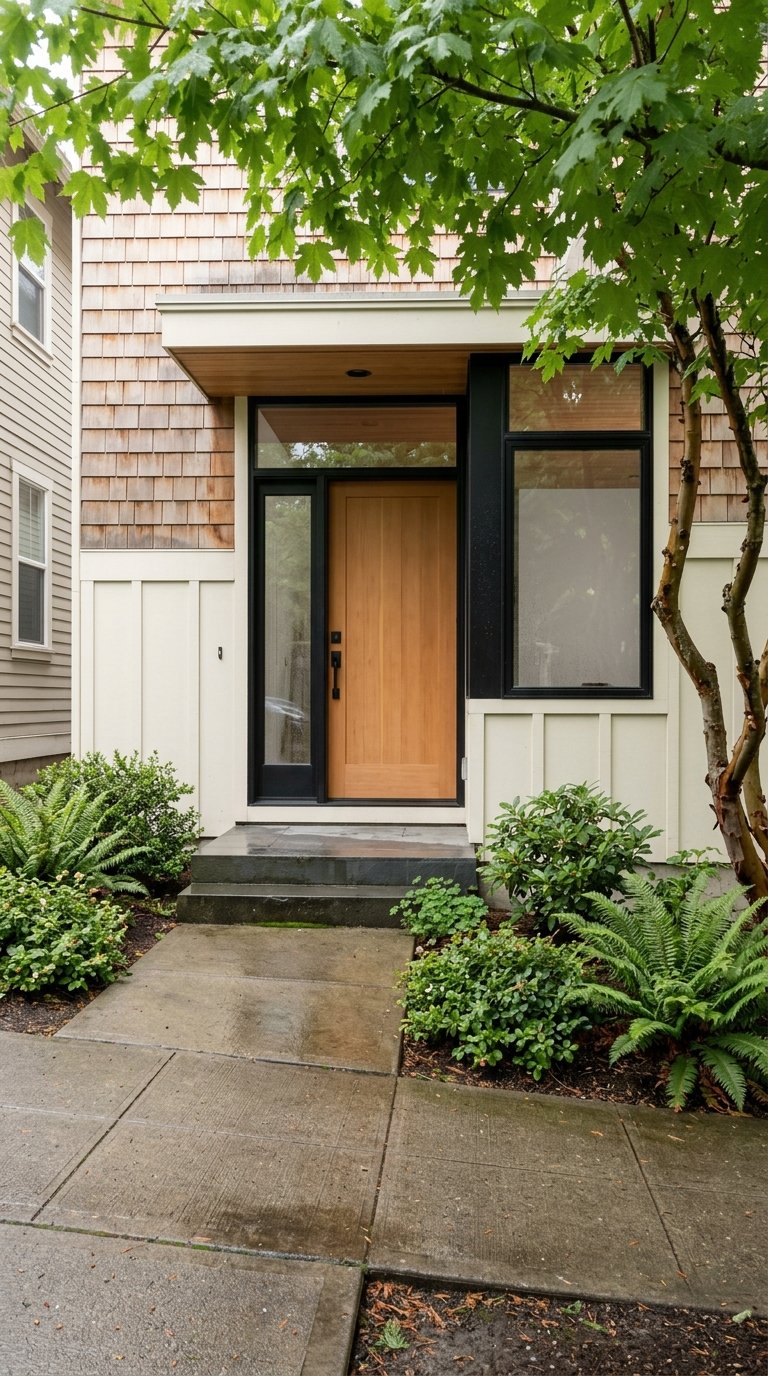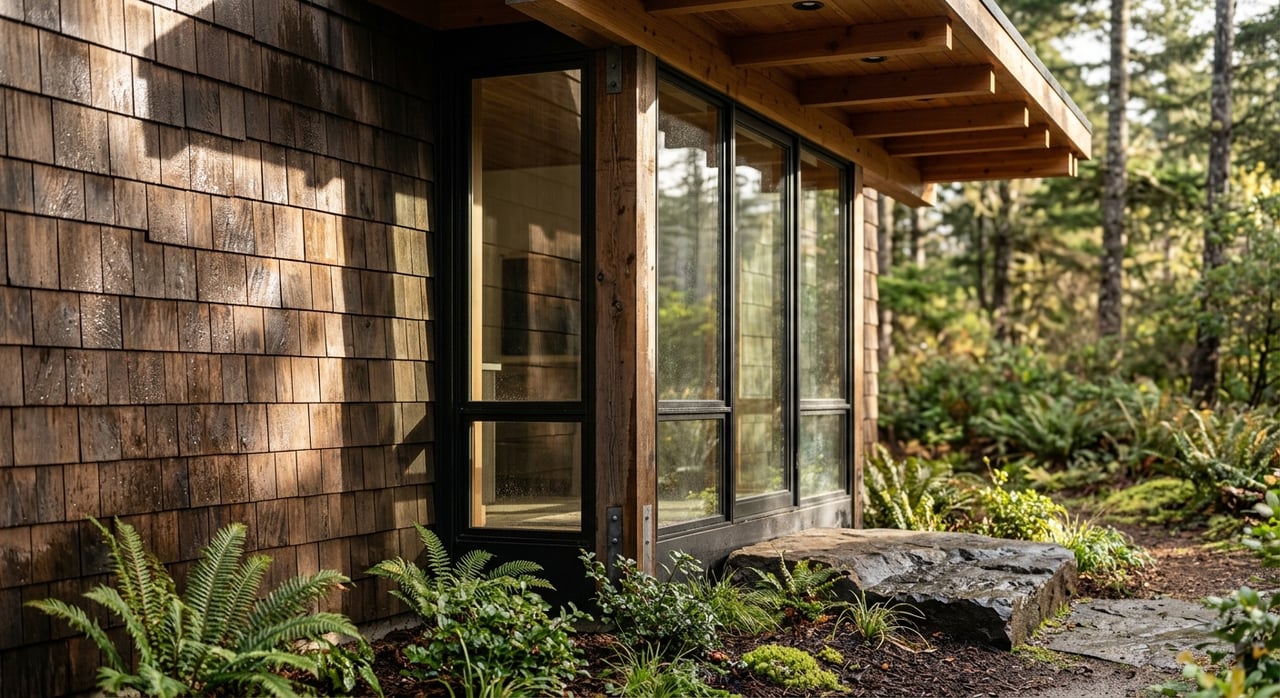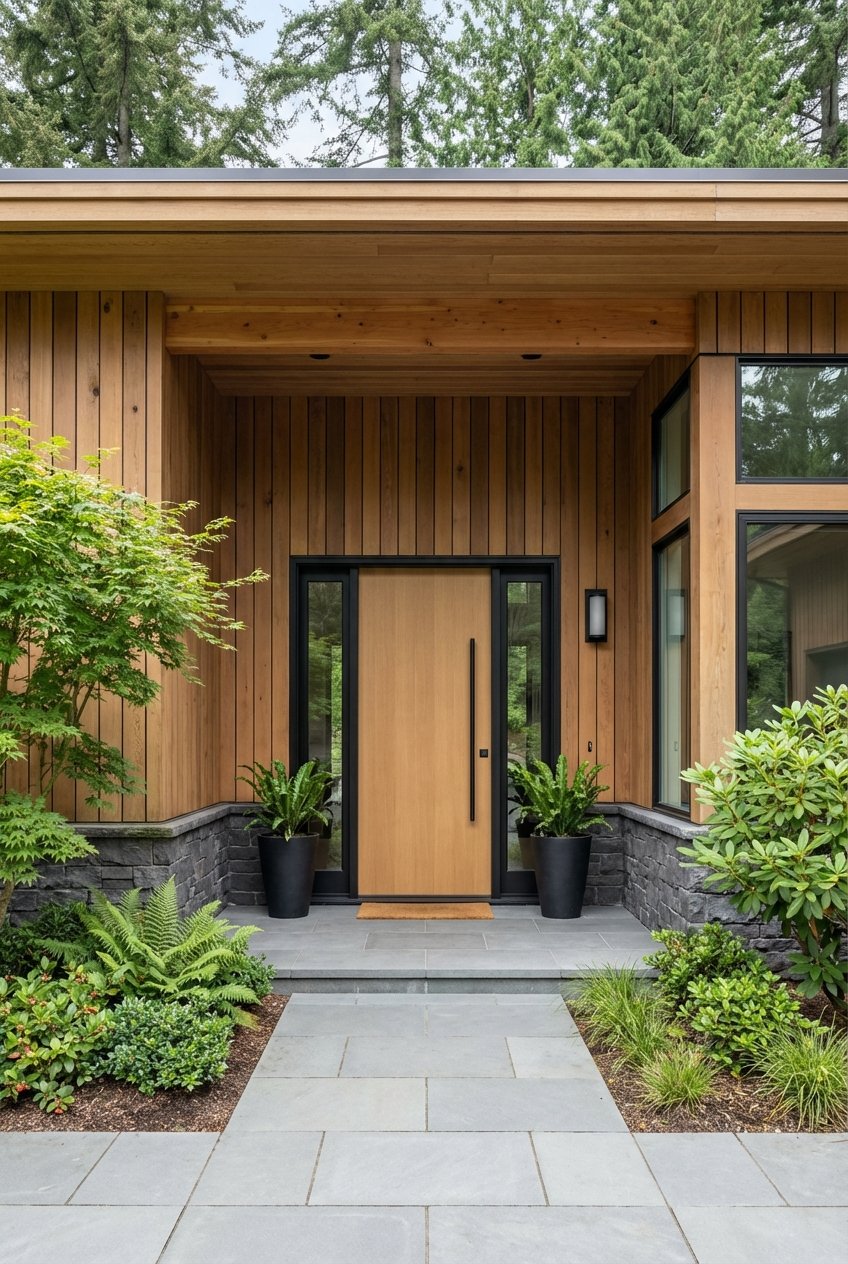
You want your Bainbridge Island home to command attention the moment it hits the market. The right preparation can turn quiet interest into strong offers and a smooth closing. If you are selling a luxury or waterfront property, a few early decisions around timing, compliance, and presentation will shape your results. This guide gives you a clear, waterfront‑smart plan to prepare, market, and launch with confidence. Let’s dive in.
Know the luxury market now
Bainbridge Island is a small, high-demand market where medians shift by season, property type, and sample size. Public portals often report different median prices because they use different time windows and include or exclude condos. Luxury and waterfront homes trade less frequently, so a handful of closings can swing statistics in any given month. Use current, on-island comps and a tailored pricing study to position your home precisely.
Days on market varies by source and price band. For well-prepared luxury waterfront listings, serious buyer attention often arrives quickly when pricing and marketing align. Seasonal timing matters too. Many sellers target late winter through spring for maximum visibility, especially when outdoor spaces and views show well.
Set your sale timeline
Your best path is a structured plan that anticipates inspections, light repairs, media, and any shoreline items. Most luxury listings benefit from a 6 to 10 week runway. If shoreline permitting is needed, add months and start conversations early.
Sample 6–10 week plan
Decision and scope, week 0–1
- Select your agent and align on goals, timing, and target buyer profile.
- Walk the property to flag repairs, upgrades, and any shoreline questions.
Inspections and records, week 1–3
- Order general and specialized pre-listing inspections.
- Pull sewer or septic records and any HOA or permit history.
Repairs and compliance, week 2–6
- Address safety, systems, and visible condition issues that affect offers.
- Start shoreline permit pre-application steps if relevant.
Presentation and media, week 4–8
- Deep clean, landscape refresh, and professional staging.
- Schedule photography, video, drone, and floorplans.
Launch and showings, week 6–10
- Coordinate a focused marketing push and controlled private showings.
Handle shoreline rules first
If your property is on or near the water, start with local shoreline rules. Bainbridge Island administers a Shoreline Master Program that governs shoreline uses, buffers, vegetation, stabilization, and overwater structures. Before you plan work near the water, review the City’s program and contact planning staff for guidance. You can find the policy and contacts on the City’s Shoreline Master Program page at the City website: City of Bainbridge Island Shoreline Master Program.
Shoreline jurisdiction typically extends landward up to about 200 feet from the ordinary high water mark, with critical-area overlays and environment designations that influence what is allowed. This is a routine starting point for project review across Kitsap County and Bainbridge Island. For background on shoreline jurisdiction concepts, see the Kitsap County code overview at Kitsap County shoreline regulations.
Major shoreline work often needs multiple permits. Depending on scope, you may need a local shoreline permit or statement of exemption, a Washington Department of Fish and Wildlife Hydraulic Project Approval for work that uses or changes state waters, and U.S. Army Corps of Engineers approvals for in-water work. Many applicants start multi-agency review with a single JARPA submission through the state’s portal at ORIA JARPA process. WDFW’s HPA categories and timelines are described in rule at WDFW Hydraulic Project Approval rules. The Army Corps nationwide permits were reissued in early 2026, so always confirm the current federal pathway for your project at USACE nationwide permits notice.
Waterfront permit checklist
- Confirm shoreline jurisdiction and buffer on your parcel, and note any critical areas.
- Gather past permits and consultant reports related to docks, bulkheads, or stabilization.
- Ask the City whether a shoreline permit or exemption applies to planned work.
- If in-water work is likely, prepare for HPA review and Army Corps coordination.
- Build time for surveys or studies if requested during agency review.
Order strategic pre-listing inspections
A pre-listing inspection reduces surprises and gives you control over repairs, disclosure, and pricing. For waterfront properties, marine exposure can accelerate wear on structures and finishes, so a deeper look pays off. Learn why sellers often opt for a pre-inspection at Why a pre-listing inspection helps.
Recommended inspections and service checks include:
- Full home inspection that covers roof, structure, foundation, and systems.
- Wood-destroying organism and pest inspection where wood elements are exposed.
- Mold, attic, and ventilation review if moisture is a concern.
- Electrical panel review or certification for older systems.
- HVAC servicing and a written report.
- Dock and bulkhead condition report from a qualified marine contractor or surveyor.
- Geotechnical or slope stability review for bluff or steep sites.
- Septic operation and maintenance report or sewer lateral check.
Budget both time and money for scheduling and fixes. Many general pre-listing inspections fall in the mid-hundreds of dollars, with specialized marine or geotechnical reports priced separately. Plan 2 to 6 weeks for scheduling, repairs, and documentation before photography and launch.
Dock and bulkhead health check
- Piles and tie rods: note corrosion, splits, or spalls.
- Bulkhead type: identify gabion, riprap, or concrete and look for movement.
- Access and float: check decking, connections, cleats, and float integrity.
- Upland drainage: confirm runoff is directed away from structures.
- Moorage details: line size and capacity noted for buyers.
Get disclosures and records ready
Washington law generally requires sellers to deliver a completed disclosure statement, commonly known as Form 17, within five business days after mutual acceptance unless it is waived by the buyer. You should disclose known shoreline and environmental issues, such as erosion history, prior permit violations, or past stabilization work. For a plain-language overview, review Washington seller disclosure requirements. Consult your broker or counsel for specific questions about your situation.
If your home is not on municipal sewer, pull septic records and service history early. Bainbridge Island’s service areas and connection rules vary by neighborhood, which can affect required inspections, O&M records, and transfer steps. Find the City’s process and contacts at Bainbridge Island water and sewer availability.
Elevate presentation and staging
Staging helps buyers visualize how they will live in the home, and it can shorten time on market. Industry surveys from the National Association of Realtors show many agents see higher offers and faster sales when homes are staged. Learn more from NAR at NAR report on staging benefits.
For luxury properties, invest where decisions are made:
- Living room and great room, oriented to the view.
- Primary suite for a calm, hotel-like feel.
- Kitchen with clean counters and updated lighting.
- Outdoor rooms and waterfront access areas.
Keep landscaping intentional and compliant. In shoreline buffers, prioritize native or low-impact plantings and maintain permitted pathways and stairs. Ecological stewardship can be a selling point, especially for eco-minded buyers. For context on coastal conditions and future sea levels, see state Ecology’s king tide overview.
Photography and media plan
- Professional, high-resolution images with a hero water-view shot.
- Drone aerials to show shoreline, setting, and access.
- Floorplans and a 3D tour for remote Seattle and Eastside buyers.
- Twilight photography to highlight glass, decks, and reflections.
- Clear, lifestyle-forward copy that underscores waterfront living and ease.
Pricing and launch strategy
Because public medians vary by source and timeframe, treat them as broad context, not a price tag. Your pricing should reflect recent on-island comparables, condition, view quality, access, and moorage. For luxury listings, launch with intention. Use a controlled showing schedule, target qualified buyers, and coordinate a cohesive marketing push across MLS, private networks, and national luxury channels.
A concierge, team-based approach can lift results. With white-glove prep, elevated media, and targeted outreach to Seattle and national luxury audiences, you create a calm, high-confidence path to premium pricing.
Common pitfalls to avoid
- Starting shoreline work before verifying permits or exemptions.
- Skipping a dock or bulkhead assessment and losing leverage later.
- Overlooking septic or sewer details until you are under contract.
- Under-preparing outdoor living spaces and entries.
- Rushing media or staging, then missing your best early buyers.
Your concierge partner
Selling a Bainbridge Island luxury or waterfront home is part strategy, part project management. If you want a hands-off, premium presentation with local expertise and national reach through The Agency network, our team is here to help. From inspections and permit coordination to staging, photography, and a focused launch, we manage every detail so you can move with confidence. Ready to plan your sale? Connect with Mark Middleton Real Estate for a private consultation.
FAQs
What is the best time to list a Bainbridge Island waterfront home?
- Many sellers target late winter through spring for visibility, when outdoor areas and natural light show well, and buyer activity often picks up for waterfront properties.
How long can shoreline permitting take before a sale?
- Simple confirmations can be quick, but multi-agency reviews for docks or stabilization may require weeks to months, so begin pre-application steps early with City planning, WDFW, and USACE as needed.
What pre-listing inspections do luxury waterfront sellers need?
- Start with a full home inspection, then add WDO, HVAC service, electrical review, dock or bulkhead assessment, geotechnical review for bluffs, and septic or sewer checks as applicable.
How does Washington Form 17 disclosure affect my sale?
- You generally need to provide a completed seller disclosure within five business days after mutual acceptance, including known shoreline or environmental issues, unless the buyer waives it.
Do I need to stage a luxury home on Bainbridge Island?
- Staging is strongly recommended, since NAR data shows staged homes often sell faster and for more, and it highlights key lifestyle areas like view rooms and outdoor spaces.