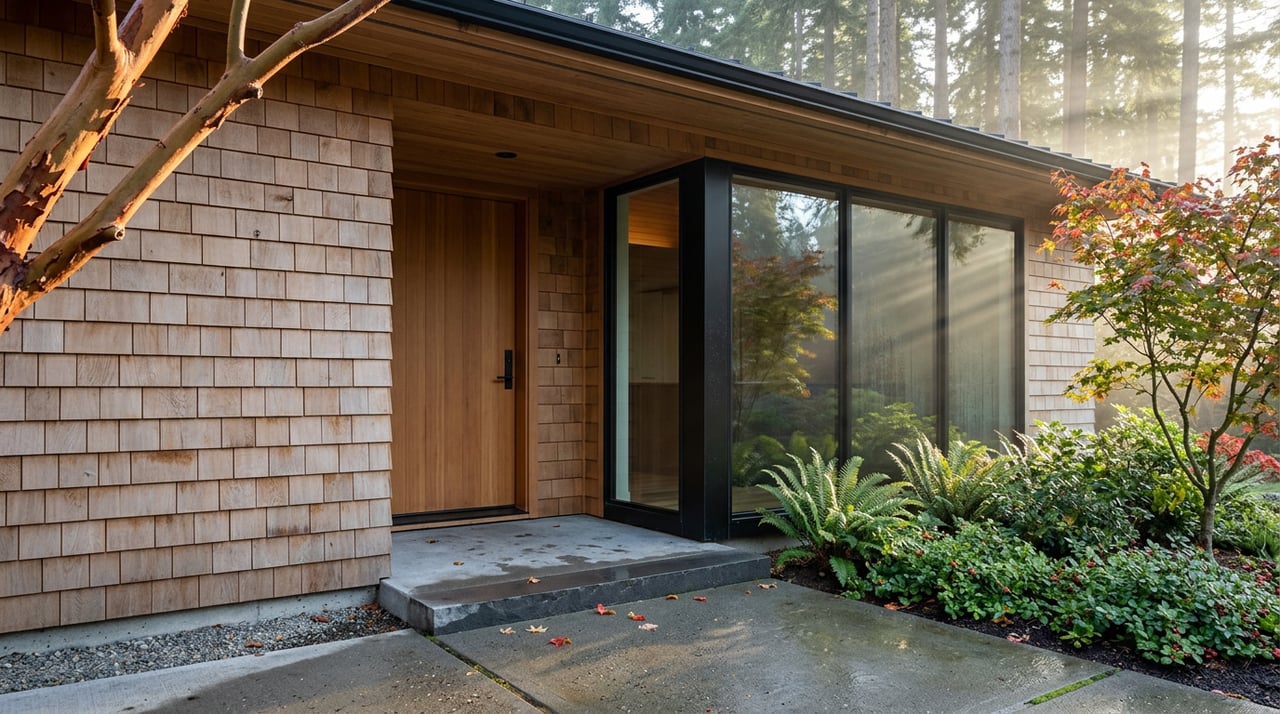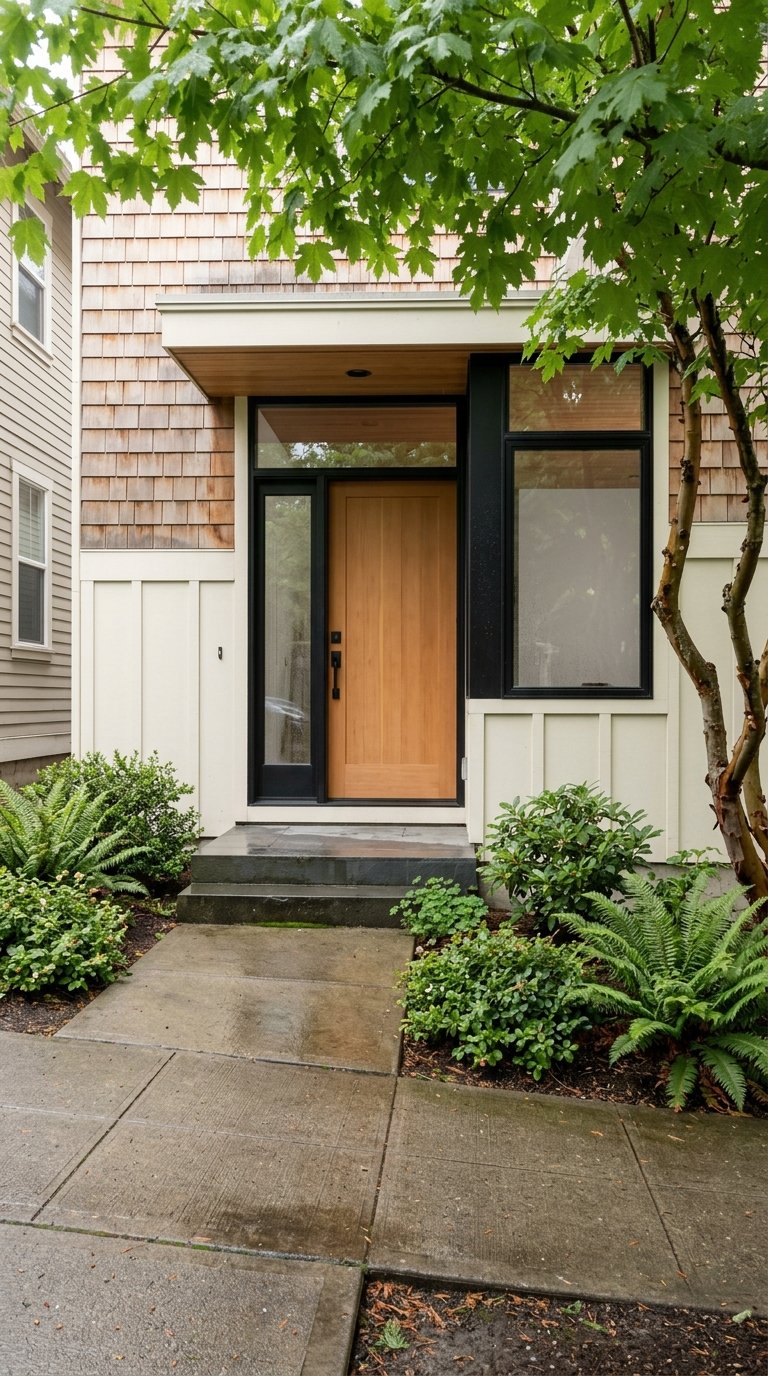
Thinking about selling your Kingston home while demand is strong? It can be tempting to assume the market will do all the work for you, but that is rarely how the best results happen. In Kingston, today’s sellers can benefit from active buyer interest, yet strong outcomes still depend on smart pricing, clean preparation, and disciplined offer review. If you want to protect your timeline, your leverage, and your net proceeds, let’s dive in.
Kingston sellers have real momentum
Kingston is in a high-demand market, but it is not a market where every home sells instantly at any price. Recent June 2026 data from Redfin shows Kingston homes receive about two offers on average, sell in around 29 days, and have a median sale price of $781,532. Realtor.com also characterizes Kingston as a seller’s market, with 109 active listings, a median listing price of $874,990, and a 30-day median time on market.
That combination matters if you are planning to sell. Demand is active, inventory is selective, and some homes can move quickly, but buyers are still comparing options and looking closely at value. Redfin notes that hot homes can go pending in about six days, which means your home needs to make a strong impression right away.
Broader Kitsap County data supports that same message. Redfin reports a county median sale price of $606,321, an average of eight days on market, a 100.1% sale-to-list ratio, and 53% of homes selling above list price over the three months ending May 2026. For you as a Kingston seller, that points to opportunity, but also to the importance of a thoughtful process.
Pricing still drives leverage
In a high-demand market, overpricing can quietly weaken your position. Buyers may act fast on homes that feel well aligned with the market, but they can also hesitate when a home appears priced ahead of the data. Once a listing sits longer than expected, you may lose the urgency that helps generate strong terms.
That is why the goal is not simply to list high and wait. The goal is to price in a way that encourages attention, supports confidence, and creates room for competition. In Kingston, where the market is active but not uniformly overheated, disciplined pricing can be one of the best tools you have.
Kingston preparation starts before listing
A strong sale usually begins well before your home goes live. In Washington, seller disclosure rules are specific, and that makes early preparation especially important. Under RCW 64.06.020, sellers of improved residential real property generally must provide a completed seller disclosure statement unless an exemption applies or the buyer waives that right.
The law also sets timing rules that can affect your transaction. The disclosure must be delivered no later than five business days after mutual acceptance unless the parties agree otherwise, and the buyer generally has three business days after delivery to rescind unless that right is waived. For you, that means it is wise to gather records and clarify any property questions before the first offer arrives.
The disclosure form is broad. It asks about title matters, easements, boundary disputes, surveys, covenants, water source, water rights, septic issues, permits, private roads, and other material defects. In Kingston, that can be especially relevant for properties with private access, waterfront considerations, or utility setups that are less standardized.
Septic, well, and property records matter
If your home has septic service or private water, buyers are likely to ask detailed questions. Kitsap Public Health advises sellers to understand the status of their system and, before final sale, contact the district for a property conveyance inspection to identify significant problems. The district also notes that well inspections may be relevant when selling property.
That is why organized documentation can make a real difference. Before listing, it helps to gather:
- Septic pumping records
- Inspection reports
- Permit documents
- Repair invoices
- Well-related records, if applicable
- Any available surveys or access documents
When you can answer questions clearly and early, buyers often feel more confident moving forward. That can help reduce delays, limit renegotiation pressure, and support a smoother path to closing.
Waterfront and low-lying homes need clarity
For some Kingston properties, especially those near the water or in lower-lying areas, buyers may ask about flood or disaster-related risk. They may also want to understand prior insurance history or whether special coverage could be needed. Being ready with accurate information and complete disclosures helps keep those conversations factual and productive.
This is one of the reasons a concierge-style pre-listing process matters. When the details are assembled in advance, you are less likely to be rushed into answers once the home is under contract. That protects both the transaction and your credibility.
Ferry access shapes buyer interest and logistics
Kingston’s ferry connection is part of what draws attention to the area. WSDOT identifies the Kingston terminal on SR 104 and notes that a boarding-pass system is active during peak periods to manage traffic and reduce line cutting. For many buyers, that access to Edmonds is a meaningful part of Kingston’s appeal.
At the same time, ferry timing can affect the practical side of a sale. Showings, inspections, appraisals, and closing-day coordination may all benefit from careful scheduling. If your sale is likely to attract out-of-area buyers, planning around ferry flow can help the process feel more seamless.
The best offer is not always the highest
When multiple offers come in, it is easy to focus on headline price. But the strongest offer is often the one that gives you the best mix of net proceeds and closing certainty. A slightly lower offer may be better than a higher one if it has fewer risks attached.
That is because contingencies can change the real value of an offer. CFPB explains that buyers commonly use financing and inspection contingencies to protect themselves. If an inspection contingency is in place, the buyer may be able to cancel without penalty if the results are unsatisfactory, and if an appraisal comes in low, the deal may require renegotiation or become harder to close.
What to compare in multiple offers
In Kingston’s current market, speed matters, but discipline matters just as much. If hot homes can go pending in about six days, you need a fast and organized review process. Looking beyond price can help you choose the offer that is most likely to close on your terms.
Key factors to compare include:
- Cash versus financed purchase
- Strength of preapproval or proof of funds
- Earnest money amount
- Appraisal-gap language
- Inspection contingency length
- Financing contingency length
- Requested seller credits
- Proposed closing date
- Any post-closing occupancy or rent-back terms
This kind of side-by-side review helps you avoid costly surprises. It can also keep emotion from driving a decision that should be grounded in net outcome and execution risk.
Your net matters more than the top line
A strong sale price does not automatically mean the strongest result. Your final net proceeds are shaped by taxes, title work, fees, commissions, and any credits or repairs negotiated during escrow. That is why a net sheet can be more useful than focusing on gross price alone.
In Washington, real estate excise tax, or REET, generally applies to real property sales unless an exemption applies, and the seller usually pays it. The state’s graduated rate structure is 1.10% up to $525,000, 1.28% from $525,000.01 to $1,525,000, 2.75% from $1,525,000.01 to $3,025,000, and 3% above that. Kitsap County states that its local portion is 0.50%.
Kitsap County also notes that the tax is due within 30 days of the deed and must be paid before the document can be recorded. A completed REET affidavit is also required before recording. These details may feel administrative, but they directly affect your timeline and your final numbers.
A clean process creates better outcomes
In a market like Kingston, pressure alone is not a strategy. The sellers who tend to do best are the ones who prepare early, price with discipline, present the home professionally, and review offers with a calm process. That is especially true for higher-value homes, waterfront properties, and homes with unique site or utility considerations.
A thoughtful listing plan should help you do four things well:
- Prepare disclosures and supporting records early
- Launch with strong pricing and polished presentation
- Compare offers based on certainty and net proceeds
- Stay ahead of local closing and recording requirements
When those pieces come together, you are in a stronger position to move quickly without feeling rushed. That balance is often where premium outcomes are found.
If you are considering selling in Kingston, the right guidance can turn a strong market into a better result. For tailored strategy, concierge preparation, and polished execution from a team that knows Kitsap County, Mark Middleton Real Estate can help you plan your next move with confidence.
FAQs
How competitive is the Kingston, WA housing market for sellers?
- Recent June 2026 data shows Kingston is a competitive seller’s market, with homes receiving about two offers on average, selling in around 29 to 30 days, and some hot homes going pending in about six days.
What disclosures do Kingston home sellers need in Washington?
- Under RCW 64.06.020, sellers of improved residential real property generally must provide a completed seller disclosure statement unless an exemption applies or the buyer waives that right.
What should Kingston sellers gather before listing a home with septic or a well?
- You should gather septic pumping records, inspection reports, permit documents, repair history, and any well-related records so buyers can review key property details early.
How should Kingston sellers compare multiple offers?
- You should compare price along with financing strength, proof of funds, earnest money, appraisal-gap language, contingency timelines, seller credit requests, closing date, and occupancy terms.
What taxes affect net proceeds when selling a home in Kitsap County?
- Washington REET generally applies to home sales, the seller usually pays it, and Kitsap County states that its local portion is 0.50%, which is one reason sellers should review a full net sheet before accepting an offer.