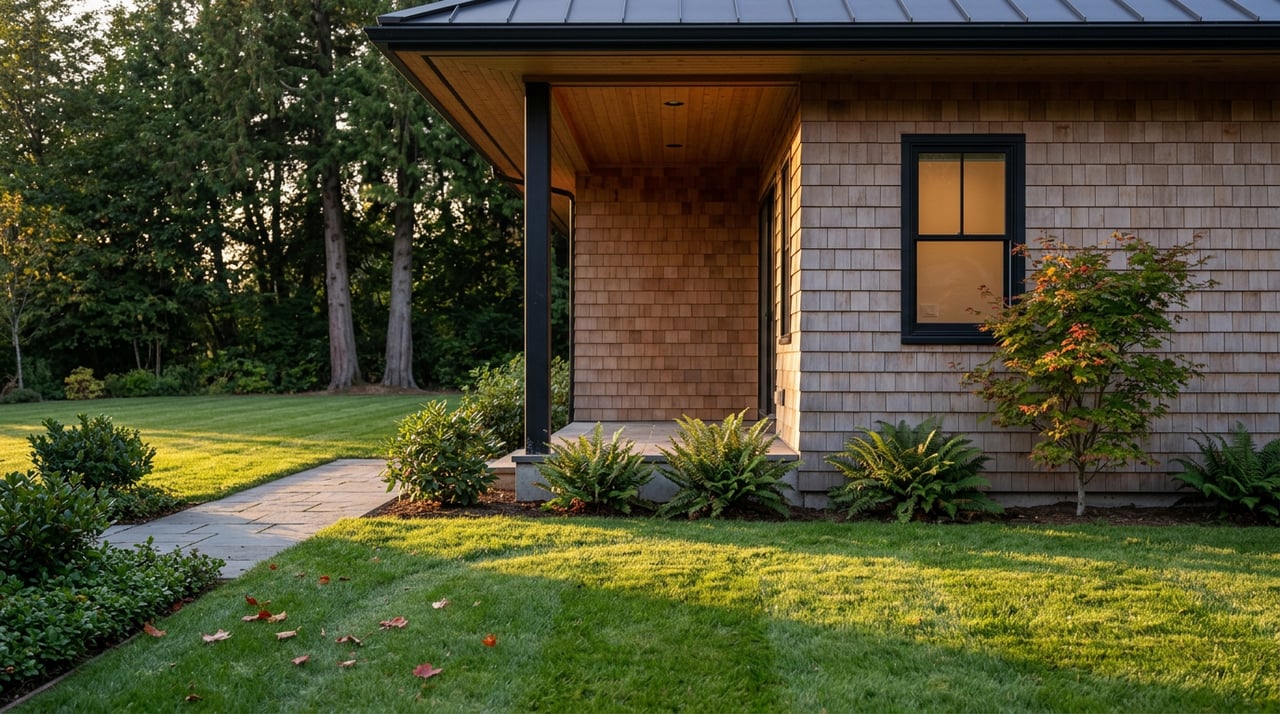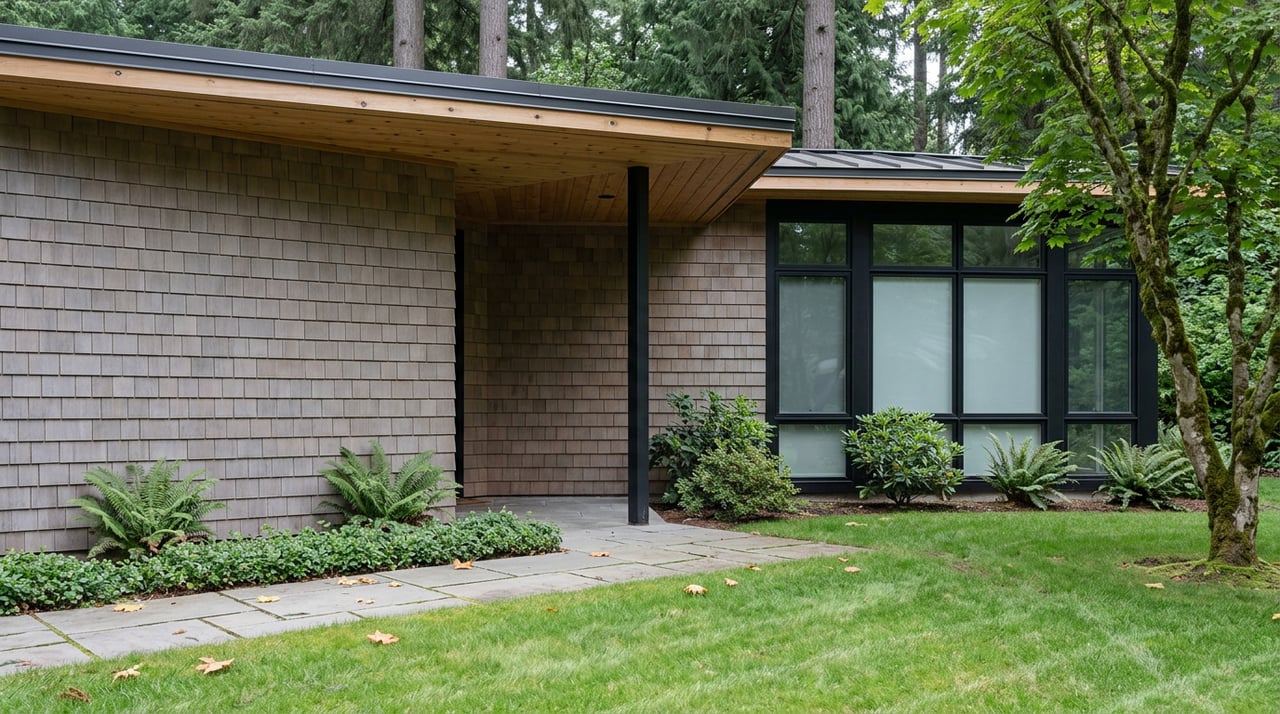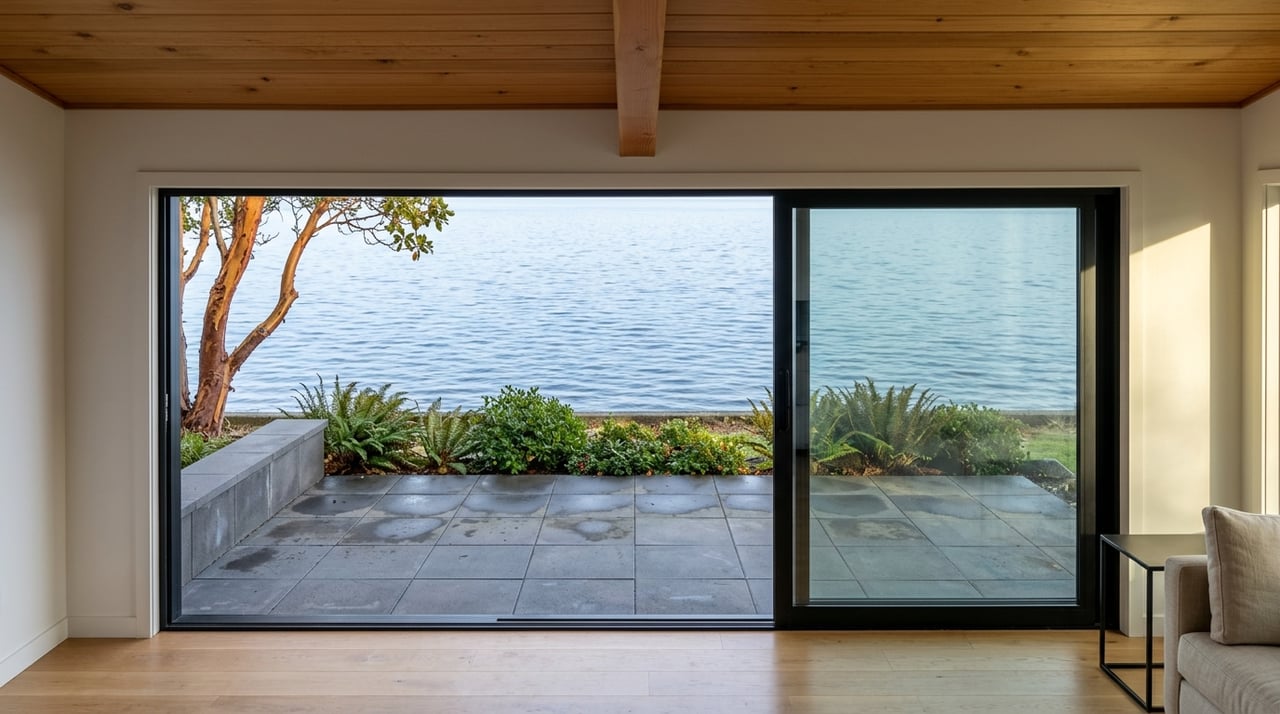
If you are selling a waterfront home in Kingston, you are not just marketing a house. You are marketing a rare mix of shoreline living, ferry access, and Puget Sound lifestyle that can resonate strongly with Seattle-area buyers. For many buyers across the water, Kingston offers a compelling alternative to higher King County price points while still providing practical connections to Edmonds and downtown Seattle. The key is telling that story clearly, credibly, and with the right level of detail. Let’s dive in.
Why Seattle Buyers Look at Kingston
Seattle buyers are often drawn to Kingston for two reasons at once: lifestyle and access. Kingston sits on Appletree Cove and is described by Kitsap County as a small ferry community with marina access, public beach access, parks, trails, and views of Puget Sound, the Cascades, and the Olympics. It also functions as an important transportation hub because it includes both the Washington State Ferries Edmonds-Kingston route and the Kingston Fast Ferry service. Kitsap County’s Kingston planning documents make that dual identity clear.
That combination matters when you market a waterfront home. Buyers from Seattle are often not choosing between Kingston and another Kitsap town alone. They may be comparing Kingston to staying in the city, moving to the Eastside, or buying a second property that feels more removed from daily stress without giving up all regional access.
Lead With Lifestyle and Access
If your marketing focuses only on the ferry, you risk underselling the property. If it focuses only on the scenery, you miss one of Kingston’s strongest practical advantages. The best listing story combines both.
A strong message for Seattle buyers is that Kingston can serve as a Sound-side base for full-time living, hybrid work, or weekend use. That framing fits what the area actually offers: waterfront recreation, marina proximity, scenic views, and credible cross-Sound mobility supported by public transit options.
What to Highlight in the Story
Your listing should connect the home’s physical features to the life a buyer could enjoy there. For waterfront property, that usually means being specific about:
- Water frontage
- View corridors
- Beach access
- Dock or moorage rights
- Privacy
- Space for entertaining
- Boating or paddle access
- Quiet day-to-day living
Seattle buyers respond best when those details are concrete. Broad phrases like “stunning waterfront” are not enough on their own. They want to understand exactly what the property offers and how usable those features really are.
Be Precise About Ferry Access
Ferry convenience is a major part of Kingston’s appeal, but buyers will trust your marketing more if you present it honestly. Washington State Ferries reported 3.9 million riders on Edmonds-Kingston in 2025, making it the system’s second-busiest route. WSDOT also describes the crossing as about 30 minutes and notes that it serves both commuters and recreational travelers. You can support that message with WSDOT’s ridership update.
For passenger-only travel to downtown Seattle, Kitsap Transit’s Kingston Fast Ferry lists a trip time of about 40 minutes to Pier 50 and notes connections to Metro, Sound Transit, and Link light rail in Seattle.
That is useful information, but your marketing should also acknowledge the real-world details.
Address Common Ferry Questions Up Front
Seattle buyers will often ask:
- Is the ferry realistic for hybrid work?
- How long does the crossing actually take?
- What happens during peak travel times?
- Can I reserve a vehicle spot?
The most credible answer is a balanced one. The ferry can absolutely support many buyers’ work and lifestyle patterns, especially for hybrid schedules or passenger-only travel. But WSDOT’s rider guidance also notes that Kingston drivers should arrive early, and at peak times drivers may need to obtain a boarding pass at Lindvog Road. That same guidance shows vehicle reservations are not available on the Kingston-Edmonds route.
When you acknowledge that reality instead of glossing over it, you build trust. Buyers are more likely to see your listing as thoughtfully represented rather than overly polished.
Position Waterfront as Scarce Value
Kingston waterfront should not be marketed as “cheap Seattle.” That framing weakens the property. A better approach is to present it as a scarce lifestyle asset that may offer meaningful value relative to Seattle-area pricing.
The market data supports that conversation. NWMLS’s 2025 annual review shows a median sales price of $860,000 in King County compared with $575,000 in Kitsap County. While no median figure can price a specific waterfront home, that gap helps explain why Seattle and Eastside buyers may look seriously at Kingston when a property offers views, water access, and ferry utility.
At the same time, Kingston sellers should recognize that Kitsap remains relatively tight. NWMLS’s March 2026 Market Snapshot put Kitsap County at 1.57 months of inventory, which is well below the 4 to 6 months often considered balanced. That means well-positioned listings can still attract serious attention, especially when they are marketed with precision.
Price the Home With Discipline
Waterfront sellers sometimes assume the water alone will justify any price. In practice, buyers in this segment tend to be detail-oriented and well-informed. They will compare not just location, but also frontage quality, exposure, access, shoreline condition, documentation, and the legal status of improvements.
That is why pricing should reflect the actual strengths of the property, not a broad county average or an aspirational number. NWMLS reported that homes sold for an average of 99.6% of list price in 2025, which suggests accurate positioning matters more than overreaching.
What Buyers Weigh in Waterfront Pricing
For a Kingston waterfront home, price perception often depends on factors like:
- Type and quality of waterfront access
- Breadth and orientation of the view
- Beach usability
- Dock, buoy, or moorage status
- Privacy and setback feel
- Shoreline condition
- Permit and improvement history
- Ease of access to the ferry and village core
These details shape buyer confidence. They also shape whether your home feels truly premium compared with other choices in the market.
Prepare the Paper Trail Before You List
For Seattle buyers, due diligence is a major part of the decision. A beautiful waterfront home can lose momentum quickly if the documentation is incomplete or unclear. Before your property goes live, it helps to gather as much support material as possible.
Kitsap County’s buyer guidance encourages buyers to research zoning, critical areas, water and sewage, existing permits, and whether a parcel is legal and buildable. The county also notes that shorelines, wetlands, and other protected areas may involve added rules, setbacks, and review.
Documents That Matter Most
If your home includes waterfront improvements, buyers may want to review:
- Shoreline permits
- Dock or pier documentation
- Mooring buoy authorizations
- Septic records
- Water service information
- Survey or site information
- Records of prior shoreline work
This is especially important because shoreline improvements are regulated. Washington’s shoreline permitting framework and local shoreline programs govern many types of waterfront development, and DNR requirements referenced in the research reinforce that structures like mooring buoys may require multiple layers of authorization.
The takeaway is simple: if a feature adds value, document it. Buyers will often pay more confidently when they can clearly verify what they are getting.
Market the Home Beyond Photos
Strong waterfront marketing should do more than showcase attractive images. It should help a Seattle buyer understand what it feels like to own the property and how the location functions in real life.
That means your campaign should connect the home to the larger Kingston story. Show the relationship between the property and the shoreline. Clarify whether the beach is walk-out, shared, banked, or viewed from above. Explain access to the marina, ferry terminal, or village amenities in practical terms where appropriate.
Messaging That Tends to Work
For Seattle-area buyers, effective marketing language often centers on:
- Everyday views and waterfront atmosphere
- Flexible use for primary or second-home living
- Practical access to Edmonds and downtown Seattle
- Privacy without complete isolation
- Entertaining, boating, or quiet retreat value
- The rarity of documented waterfront features
This is where elevated presentation matters. A premium waterfront property benefits from polished photography, thoughtful staging, and a strategy that reaches buyers outside the immediate local area. For that kind of audience, presentation is not cosmetic. It is part of value creation.
Reach Seattle Buyers Intentionally
If your likely buyer is coming from Seattle or the Eastside, your marketing should be built for that audience from the start. That means more than putting the home on the market and waiting for discovery. It means crafting the narrative, visuals, and pricing around what those buyers actually care about.
In Kingston, that usually comes down to three questions:
- What is the waterfront experience?
- How easy is access across the Sound?
- Is the home priced and documented in a way that feels credible?
When your marketing answers those questions clearly, your home is easier to understand and easier to trust.
Selling a Kingston waterfront home successfully often requires both local market judgment and polished exposure to the right buyer pool. If you want a strategy built around your property’s true waterfront value, concierge preparation, and targeted reach, Mark Middleton Real Estate can help you position it for a stronger result.
FAQs
How should you market a Kingston waterfront home to Seattle buyers?
- Focus on both waterfront lifestyle and cross-Sound access, using specific details about frontage, views, beach access, moorage, and ferry practicality rather than generic luxury language.
How long is the Kingston ferry trip for Seattle-area buyers?
- Washington State Ferries describes the Edmonds-Kingston crossing as about 30 minutes, and Kitsap Transit lists the Kingston Fast Ferry at about 40 minutes to downtown Seattle.
Are vehicle reservations available on the Kingston-Edmonds ferry route?
- No. WSDOT’s rider guidance indicates that vehicle reservations do not apply to the Kingston-Edmonds route, so drivers should plan ahead for peak travel times.
What paperwork matters when selling a Kingston waterfront property?
- Buyers often want permits, shoreline records, dock or buoy documentation, septic information, water service details, and other records that confirm waterfront improvements are documented and compliant.
Why might Seattle buyers see Kingston waterfront as a value opportunity?
- NWMLS data shows a sizable median price gap between King County and Kitsap County, which can make Kingston attractive to buyers seeking water views, access, and lifestyle benefits with regional connectivity.