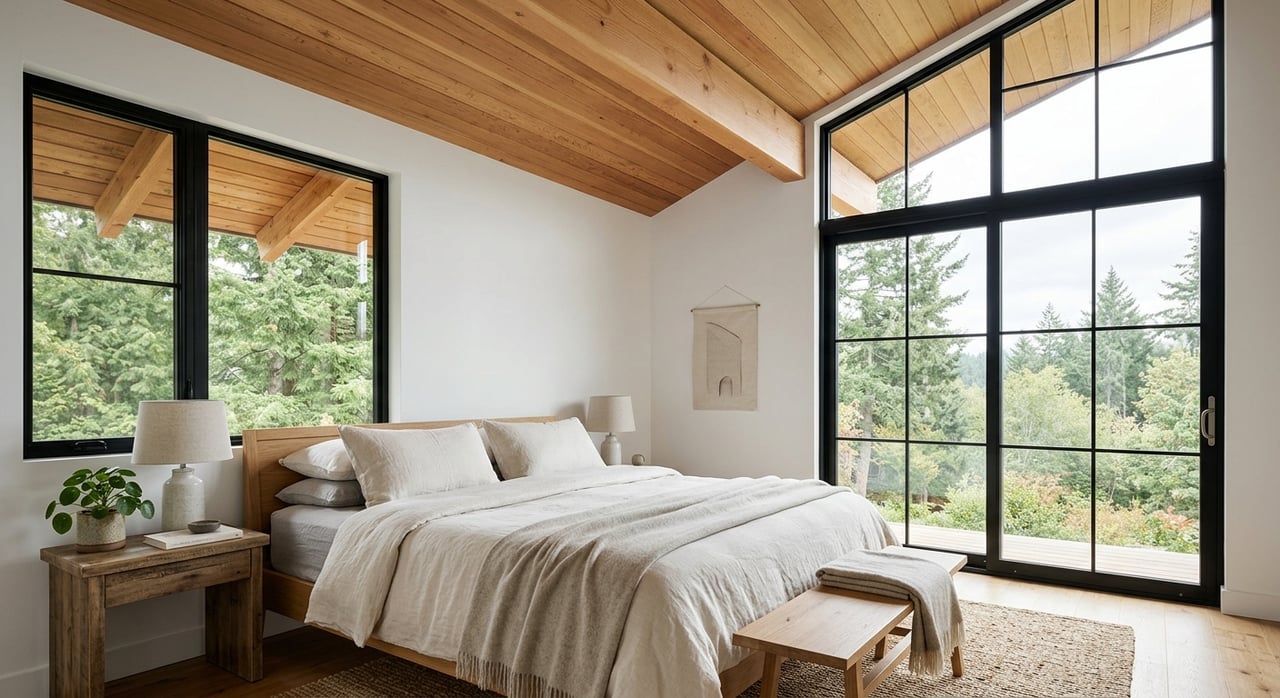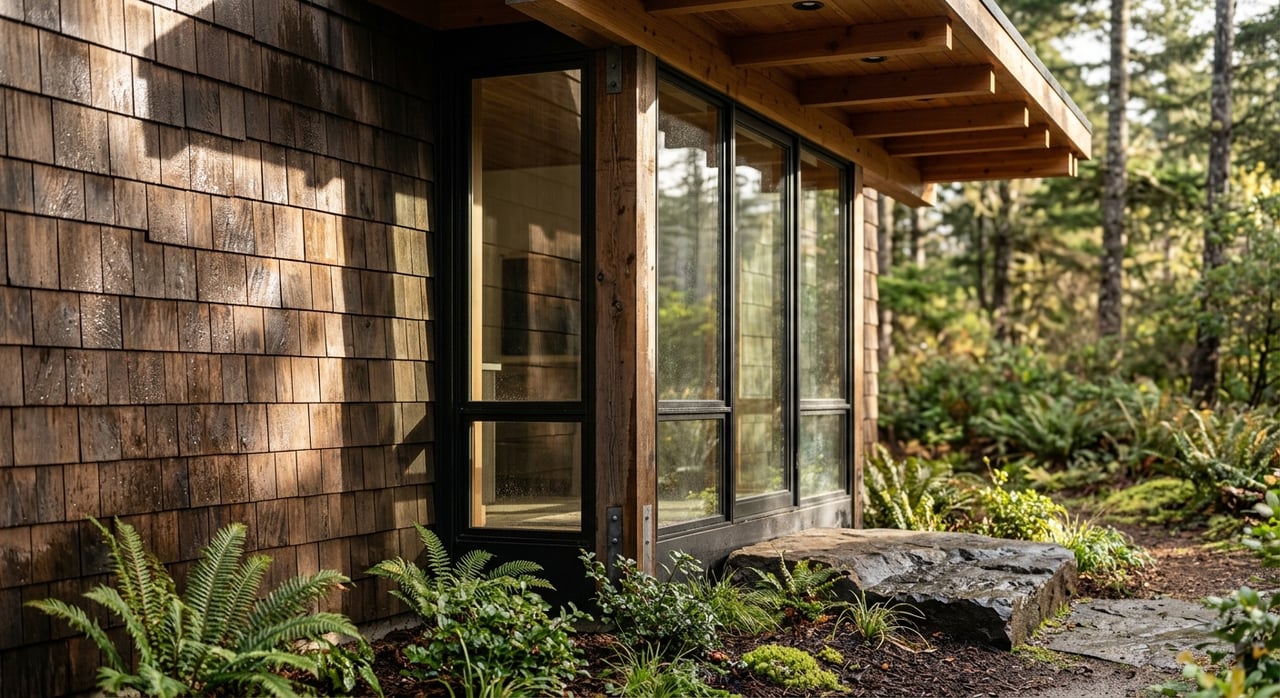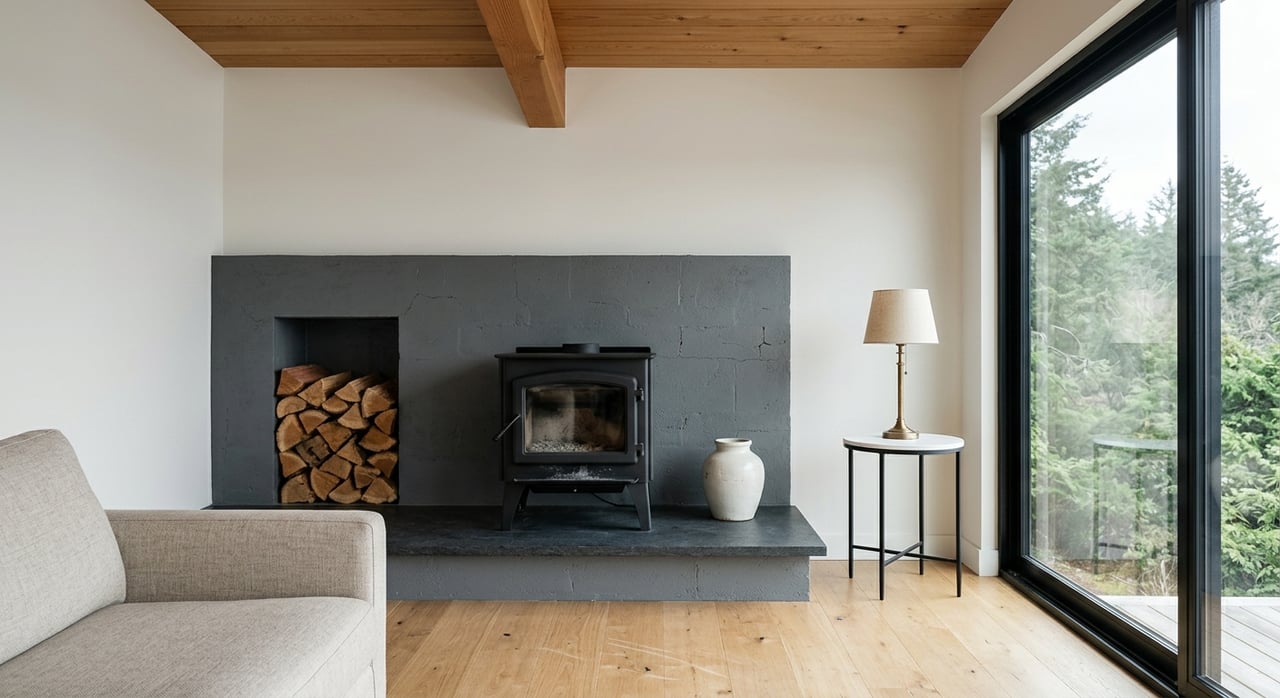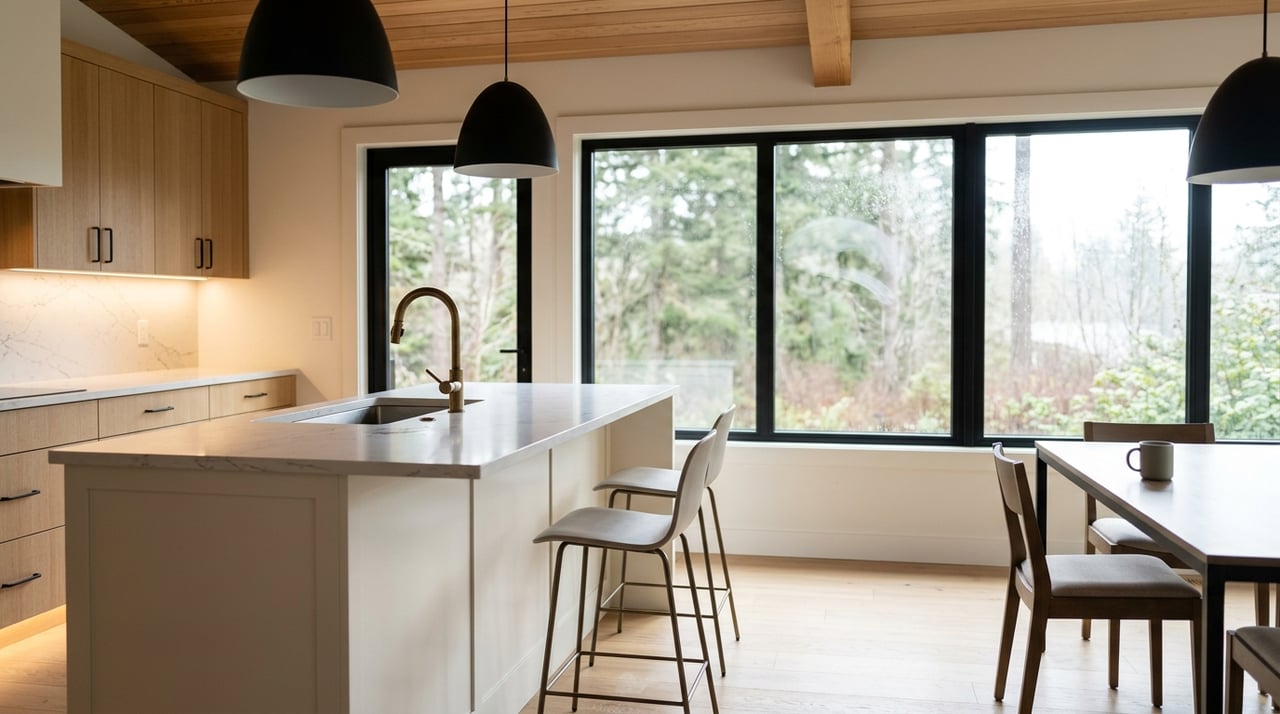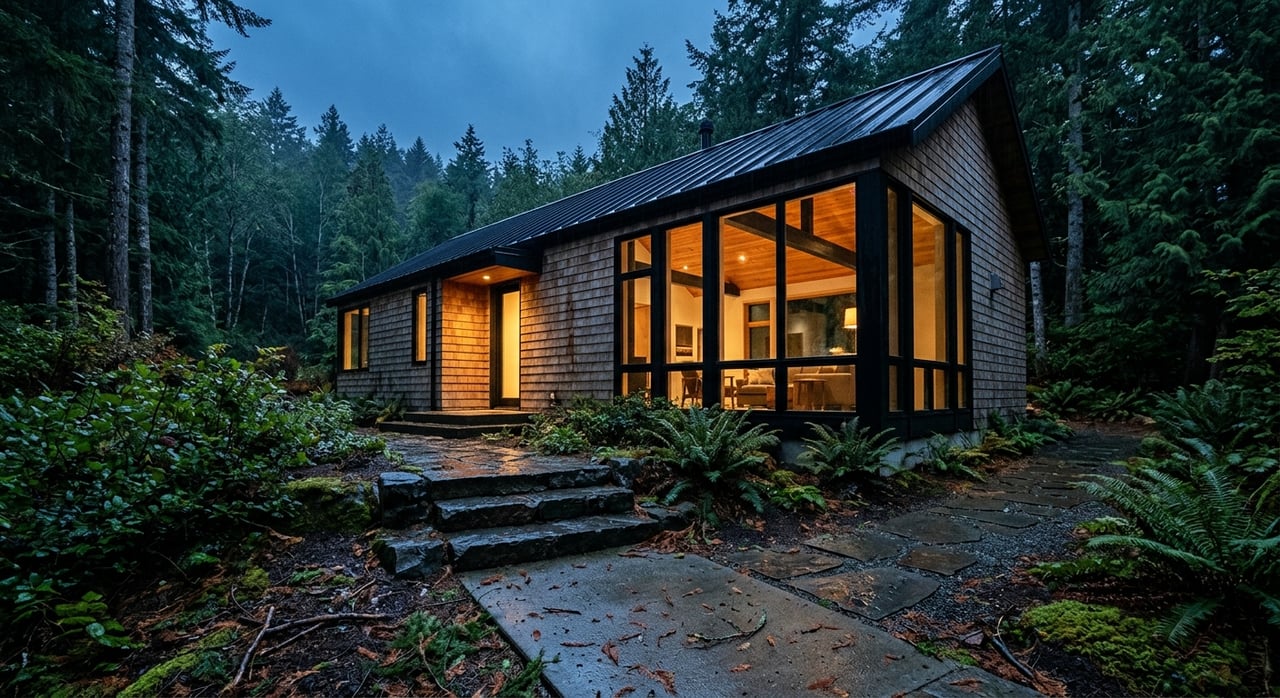
If you are thinking about buying a second home or investment property in Poulsbo, you are not alone. This waterfront city draws buyers who want more than just a house. They want a place that feels like a retreat, offers everyday convenience, and can hold long-term value. In this guide, you will get a clear look at Poulsbo’s market, property options, rental rules, and the areas that may deserve a closer look. Let’s dive in.
Why Poulsbo stands out
Poulsbo offers a mix that can be hard to find in one market. You get Liberty Bay views, a walkable historic core, year-round events, and access to Seattle, all while keeping a small-town feel. That combination helps explain why lifestyle buyers continue to pay attention to this part of Kitsap County.
The city also functions as a regional destination. Downtown Poulsbo is known for dining, shopping, and waterfront activity, and the city’s parking changes in late 2025 were aimed at improving turnover for visitors and supporting downtown vitality. For a second-home buyer, that adds to the appeal. For an investor, it points to an area with steady interest and strong visibility.
Seasonal events help support that draw throughout the year. Poulsbo’s calendar includes a monthly art walk, a farmers market from April through December, Viking Fest in May, the Liberty Bay Festival, summer concerts, and holiday events like the tree lighting and boat parade. That kind of year-round activity can strengthen the area’s lifestyle value and reinforce long-term demand.
Poulsbo market snapshot
Recent spring 2026 market data from Redfin, Zillow, and Realtor.com places Poulsbo home values roughly in the low-to-mid $600,000s. Those sources also show homes generally going pending or selling in about 20 to 22 days, with sale-to-list ratios around 100 percent. While each platform uses a different method, the broader picture is consistent.
This is an active market, not one where buyers can assume endless negotiating room. If you are targeting a well-located second home or a property with rental potential, speed and preparation matter. It also helps to understand how location, property type, and local rules affect value over time.
Census data adds useful context. Poulsbo’s 2025 population estimate was 12,749, the owner-occupied housing rate was 59.0 percent, median gross rent was $1,886, and median household income was $116,250. Taken together, that points to a market with meaningful owner occupancy and solid income levels.
Best property types for your goals
Poulsbo includes more than one type of housing choice. City planning materials describe a range that includes apartments, condominiums, clustered cottages, townhomes, and single-family homes. At the same time, the city says its primary residential land use is intended to remain low-density single-family detached housing.
That matters because your ideal property type depends on your plan. A second-home buyer may focus on ease of maintenance, walkability, views, or proximity to the waterfront. An investment buyer may put more weight on rental durability, price point, parking, and access to services or commuting routes.
Second homes in Poulsbo
If your main goal is lifestyle, downtown and waterfront-adjacent areas often stand out first. That is where you will find the historic core, marina access, waterfront activity, parks, and many of the city’s festivals and celebrations. It is the part of Poulsbo that most clearly delivers the everyday experience many second-home buyers are after.
Single-family homes can offer privacy, outdoor space, and a stronger sense of retreat. Condos or townhomes may appeal if you want lower maintenance and easier lock-and-leave ownership. The right choice depends on how often you plan to use the home, whether you want water access or views, and how much upkeep you are comfortable managing.
Investment properties in Poulsbo
For investment framing, the strongest angle in Poulsbo is long-term rental demand rather than a pure short-term rental strategy. The city’s planning pattern suggests that areas with practical access to services and commuting routes may hold broader rental appeal over time. That often points buyers toward areas near SR 305 and Viking Avenue.
Poulsbo is also adding a mix of housing through projects such as Pinnacle at Liberty Bay, Dauntless Townhomes, and Oslo Bay Apartments. That continued growth supports the idea that the city is actively shaping housing supply, product mix, and long-term demand patterns. If you are evaluating an investment property, it is worth comparing older homes, newer townhomes, and select single-family opportunities through that lens.
Key rules before you buy
Before you buy for part-time use or income, make sure the property fits your intended use. In Poulsbo, local rules can directly affect what you can do with an accessory dwelling unit, a waterfront parcel, or a future rental plan. A careful review up front can save you from an expensive surprise later.
Long-term rental rules in Washington
Most residential rentals in Washington are covered by the Residential Landlord-Tenant Act. The Washington Department of Commerce says the maximum annual rent increase for covered properties in 2026 is 9.683 percent. The Washington Attorney General also notes that landlords may not increase rent during the first 12 months of a tenancy.
If you are underwriting a long-term rental, those rules should be part of your math from day one. They affect how quickly income can change and how you plan for holding costs over time. That does not make Poulsbo a weak rental market, but it does mean you should model conservatively.
ADU rules in Poulsbo
Accessory dwelling units can be attractive if you want flexible use or a secondary income stream. In Poulsbo, the city says an ADU can be built on residentially zoned property with an existing single-family residence. The city also allows up to two ADUs in certain configurations.
There are important limits. ADUs are capped at 1,000 square feet, require an extra off-street parking space unless the unit is within one-half mile of a major transit stop, may not be used as short-term rentals, and must be rented for at least 90 days. If an ADU is part of your strategy, these local rules need to be checked early.
Waterfront and shoreline review
Waterfront properties can be especially compelling in Poulsbo, but they often require more diligence. The city says Liberty Bay and Dogfish Creek are within city shoreline jurisdiction. Shoreline rules apply to land use activities, over-water structures, grading, filling, and new buildings within that jurisdiction.
If you are considering a waterfront second home or an investment property with improvement potential, review shoreline constraints before you commit. This is especially important if your value plan includes additions, dock work, grading, or major exterior changes. A beautiful site can still come with meaningful limits.
Carrying costs to plan for
A second home or investment purchase should be evaluated beyond the sale price. Property taxes are one of the clearest recurring costs to build into your projections. In Kitsap County, the 2026 assessor booklet lists a typical City of Poulsbo residential property tax of $4,885 on a typical assessed value of $531,515.
The assessor also says the average 2026 county tax rate is about $8.78 per $1,000 of assessed value. Your actual tax bill will vary by property, but these figures provide a helpful baseline. For second-home owners and investors alike, that baseline matters when comparing neighborhoods, price points, and expected returns.
How to compare Poulsbo areas
Not every part of Poulsbo serves the same buyer goal. Some areas are more closely tied to waterfront lifestyle and downtown activity. Others are more practical for daily services, commuting access, or newer housing stock.
Downtown and Front Street
Downtown is Poulsbo’s clearest lifestyle submarket. The city’s land-use plan describes it as the historic core on Liberty Bay, with access to the waterfront and the Port of Poulsbo Marina. It is also the city’s main location for festivals and celebrations.
If you want a second home that feels connected to the energy of Poulsbo, this area deserves a close look. Convenience, charm, and proximity to the waterfront are strong draws. The tradeoff may be a smaller lot, more visitor activity, or a different price profile than outlying neighborhoods.
SR 305 corridor
The SR 305 corridor is the clearest access-and-convenience area. City planning materials describe it as the city’s main service, retail, and professional corridor. WSDOT says SR 305 connects the Bainbridge Island ferry terminal to SR 3 near Poulsbo, and Kitsap Transit serves Poulsbo and the corridor with fixed-route service and commuter connections.
For long-term rental demand, this kind of access can matter. Buyers and renters who prioritize daily convenience, commuting practicality, and nearby services may find these locations appealing. That makes this corridor worth studying if your investment plan centers on stable, long-term occupancy.
Established single-family neighborhoods
Older established neighborhoods can appeal to buyers who want a quieter residential setting. City planning materials note that Poulsbo’s earliest homes were concentrated in the old-town area south of Iverson and that single-family detached neighborhoods remain the city’s dominant residential character.
For a second-home owner, these areas may offer a more residential feel and a stronger owner-occupant identity. For an investor, they may offer durability if the home is well-located and maintained. The key is to match the property’s style and condition with the type of future demand you expect.
Newer subdivisions and PRD areas
Newer planned residential developments and subdivisions may appeal to buyers seeking newer construction, open space, and trails. City project pages show that recent and pending developments often include these features. The city’s current housing plan also emphasizes a broader mix of housing types to meet demand.
These properties can make sense if you value lower immediate maintenance or a more modern layout. For investors, newer product may also reduce near-term repair surprises. As always, compare HOA structure, property type, and location before deciding.
Smart buying strategy in Poulsbo
A strong Poulsbo purchase starts with a clear plan. Decide first whether your top priority is personal use, long-term rental income, future appreciation, or some blend of all three. That goal will shape where you look, what property type fits best, and how much flexibility you need.
It also helps to focus on constraints early. Check zoning, ADU potential, shoreline jurisdiction, parking needs, and carrying costs before you fall in love with a property. In a market where homes move relatively quickly, good preparation can give you a major advantage.
Finally, think beyond the listing itself. In a lifestyle-driven market like Poulsbo, value often comes from how the property connects to the waterfront, downtown activity, services, and regional access. The right purchase is not just a home you like today. It is a property that still makes sense for your goals years from now.
If you are weighing a second home or investment purchase in Poulsbo, local insight can make the process far more efficient. The team at Mark Middleton Real Estate offers tailored guidance across Kitsap County, with a concierge, high-service approach designed to help you buy with clarity and confidence.
FAQs
What makes Poulsbo appealing for a second home?
- Poulsbo offers Liberty Bay views, a small-town setting, a walkable historic core, waterfront recreation, and year-round events, along with access to Seattle and the broader Kitsap Peninsula.
Is Poulsbo better for short-term or long-term investment property planning?
- Based on the city rules and market context in the research, the safer investment framing is long-term rental demand tied to access, amenities, and property type rather than a pure short-term rental strategy.
What should you know about ADU rules in Poulsbo?
- Poulsbo allows ADUs on residentially zoned property with an existing single-family residence, but ADUs are capped at 1,000 square feet, require parking in many cases, cannot be used as short-term rentals, and must be rented for at least 90 days.
How active is the Poulsbo housing market?
- Spring 2026 data from major listing platforms places home values in the low-to-mid $600,000s, with homes generally going pending or selling in about 20 to 22 days and sale-to-list ratios around 100 percent.
Which Poulsbo areas are worth comparing for investment potential?
- Buyers often compare downtown and waterfront-adjacent areas for lifestyle appeal, the SR 305 corridor for convenience and access, established single-family neighborhoods for a residential setting, and newer subdivisions for newer housing stock and lower-maintenance options.