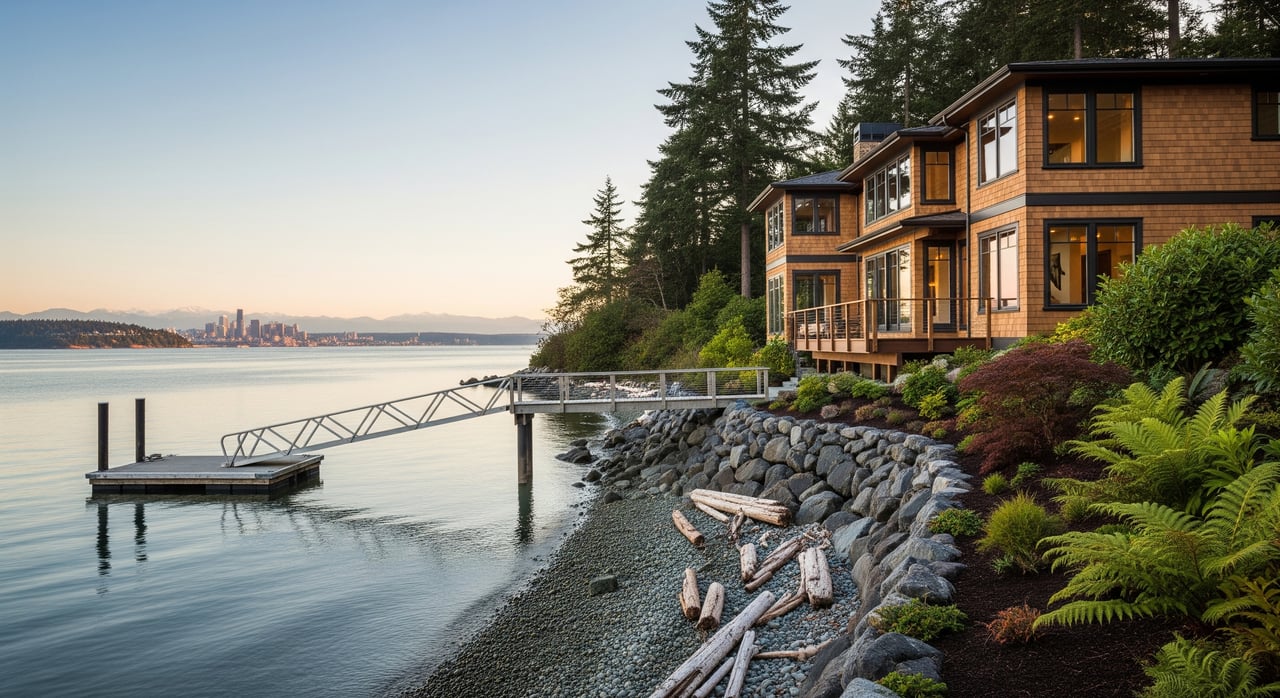
Dreaming of Bainbridge Island living without giving up your Seattle routine? The ferry sets the rhythm here, so where you live on the island has a real impact on your commute time and daily flow. If you want predictable mornings, easy evenings, and the right home style, you need a neighborhood that matches your first-mile plan to the Winslow ferry terminal. This guide breaks down Bainbridge neighborhoods by ferry access, commute tradeoffs, and home types, with practical tips to test before you buy. Let’s dive in.
How the Seattle commute works
Washington State Ferries runs the primary route between the Bainbridge Island terminal at Winslow and Colman Dock in downtown Seattle. It is the main public link for most island commuters. Crossing times and peak schedules vary by season and by vessel assignment, so always check current schedules and service advisories before planning.
You can travel as a walk-on passenger, by bike, or by driving a vehicle onto the boat. Walk-on boarding and vehicle boarding have different rules and capacities. Vehicle space during peak hours can require earlier arrival. Kitsap Transit operates island bus routes that connect residential areas and park-and-ride lots to the ferry. Routes and timetables change, so confirm the latest options. Fare structures and policies for both systems can be updated, and any reservation pilots or boarding priorities are set by the operators.
The key takeaway is simple: the ferry sets your commute. Walkability to Winslow or reliable bus access keeps your door-to-dock time short and more consistent. Homes farther from Winslow typically add a 10 to 30 minute drive or bus leg before you even reach the terminal.
Neighborhoods by ferry access
To help you compare options quickly, here are practical groupings based on travel time to the Winslow ferry terminal, plus typical housing and lifestyle notes.
Walkable Winslow and Eagle Harbor
- Commute advantage: Walk or bike to the ferry with minimal first-mile time. You are also next to downtown Winslow shops, restaurants, and the main bus hub.
- Housing: A mix of condos, townhomes, and smaller-lot single-family homes, including renovated historic properties in a denser downtown pattern.
- Who it fits: Professionals who want a car-light routine, buyers who value walkable amenities, and households who appreciate short trips to services and activities.
- Price context: You often see higher per-square-foot pricing for the walkable location premium. Condos and townhomes can provide a lower entry cost than typical island single-family homes, yet they still trend above broader county medians given the island’s market.
Short drive: Battle Point, Lynwood Center, Manitou Beach
- Commute advantage: About a 5 to 15 minute drive or a quick bus ride to Winslow, which keeps early and late sailings practical.
- Housing: Predominantly single-family homes on modest to medium lots. Expect mid-century homes, thoughtful renovations, and quiet residential streets. Battle Point includes parks and nearby schools.
- Neighborhood feel: More suburban and family-oriented, with quieter evenings than downtown.
- Price context: Slightly lower than Winslow’s core walkable premiums, with more yard space and privacy for the price.
Mid-island: Rolling Bay, Pleasant Beach, Port Blakely interiors
- Commute advantage: Plan for a 15 to 25 minute drive to the ferry. Bus options exist but are generally less frequent than closer-in areas.
- Housing: Cottage-style homes, classic country houses, and select waterfront properties along the east side. Rolling Bay offers a small-village feel with local shops.
- Neighborhood feel: Rural-suburban. Many properties feature private, tree-lined lots and a slower pace.
- Price context: Wide variety. Smaller older homes can be good entry points, while large-lot or waterfront properties command premiums.
Far side and south end: Fletcher Bay, Gazzam Lake area, South Bainbridge
- Commute tradeoff: Often 25 to 40+ minutes to the terminal, so timing and a dependable vehicle routine matter.
- Housing: Larger parcels, acreage, newer high-end homes, private estates, and secluded waterfront.
- Neighborhood feel: Private and rural, ideal if you value land, quiet, or views over a short commute.
- Price context: A broad range, from competitively priced remote homes to some of the island’s most expensive waterfront and acreage estates.
Waterfront vs interior living
Waterfront pockets such as Blakely Harbor, Manzanita and Manitou, Pleasant Beach, and parts of Port Blakely carry consistent premiums and sometimes include private docks or direct water access. These areas can shorten your drive to main roads depending on the shoreline and road layout, though the added distance to Winslow may still offset that benefit.
Interior and forest properties, including the Gazzam Lake area and south-central pockets, tend to be quieter and more private, often on larger lots. Access can involve steeper driveways or slower local roads, which may add to commute variability at peak times or in adverse weather.
First- and last-mile tips
Your first and last mile shape the predictability of your commute more than any other factor. Here are practical considerations to test in real time.
Parking near the ferry
Parking at or near the Winslow terminal is limited. Municipal and private options exist in and around downtown, but capacity is constrained during peak hours. Policies and pricing can change. Confirm current City parking maps, lot hours, and any permit needs, and consider waitlists for longer-term solutions.
Park-and-ride and buses
Kitsap Transit operates island park-and-ride lots and feeder buses timed to ferry sailings. Availability, fees, and routes can shift, so review the latest route maps and confirm your specific morning and evening connections. If you plan to bus, test a weekday run during your normal schedule window.
Bike and e-bike catchment
Biking expands your realistic radius. An e-bike can turn a 10 to 20 minute rolling ride into an easy, predictable link to the terminal. Identify safe routes, hills, lighting, and secure bike storage on both ends before you commit.
Peak sailings and timing
Morning peak sailings fill fastest. Walk-on passengers board differently than vehicles, and vehicle capacity during peak times can require earlier arrival. Build a buffer for boarding and for parking or bus transfer, and have a plan for the next sailing in case you miss your target boat.
Walk-on vs drive-on
Choosing how you board shapes both cost and reliability. Test both options before you close on a home.
- Walk-on strengths: More predictable timing, no vehicle wait, simpler parking needs on the island, easy access to downtown Seattle buses and light rail from Colman Dock.
- Walk-on tradeoffs: You need a dependable first-mile plan to the terminal and a last-mile plan in Seattle. Grocery hauls or after-school gear may be trickier.
- Drive-on strengths: Direct door-to-door flexibility with cargo capacity and weather protection.
- Drive-on tradeoffs: Peak-hour vehicle lines, earlier arrival, and constrained parking near the terminal if you leave the car on-island.
Estimate your door-to-desk time
A realistic time check is worth more than any map estimate. Run this simple process on a weekday.
- Map the drive, bus, or bike from the home to the Winslow terminal at your actual departure time.
- Add buffer for parking or a bus connection based on your test run.
- Add the current ferry crossing window for that sailing.
- Add your Seattle dock-to-office time, whether that is a short walk or a bus or light-rail link.
- Repeat the same test for your evening return and an off-peak day.
- Do a full dress rehearsal during escrow to confirm the routine still works with any schedule changes.
Home types for commuters
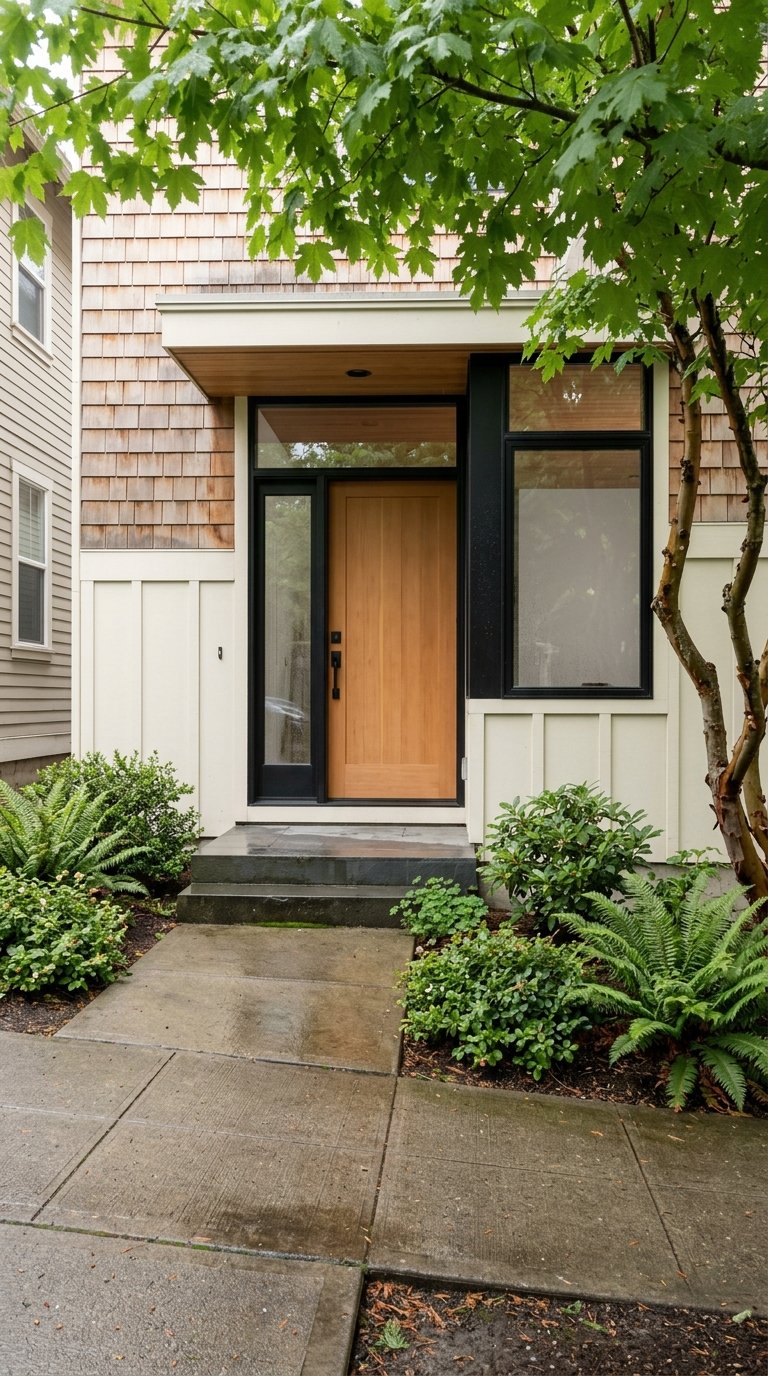
For many commuters, condos and townhomes near Winslow trade yard space for easy, car-light living. Maintenance demands are often lower, and your daily rhythm is simpler. Single-family homes a short drive from the terminal offer more space and privacy while keeping the commute manageable, especially if you bike or use a reliable bus connection.
Farther out, larger parcels and estate properties deliver privacy, acreage, and views. If you travel at set peak times, build in a consistent departure routine and a backup plan for missed sailings. If you have a hybrid schedule, these homes can be ideal, with fewer commute days each week and more lifestyle value day to day.
Family logistics to consider
If you commute while juggling school and activities, map your after-school plan just like your ferry plan. Consider which neighborhoods align with school bus routes versus parent pickup, and how after-school activities fit your evening sailing window. Weekend ferry frequency can differ from weekday peaks, so factor family schedules into your neighborhood choice.
Resale considerations
Proximity to Winslow tends to carry a market premium, and walkable properties often resell faster because they appeal to a broad buyer pool. Waterfront and large-lot homes attract a distinct set of buyers who prioritize lifestyle, privacy, or boating access. If you plan to sell in the medium term, think about how your first-mile profile will read to the next owner: walkable, bikeable, quick bus, or drive-on with parking.
Which neighborhood fits you?
Use these quick profiles to narrow your search before touring.
- Car-light professionals: Winslow and Eagle Harbor for walk-on reliability and minimal first-mile time.
- Early-morning commuters who want a yard: Short-drive areas like Battle Point, Lynwood Center, and Manitou Beach for easy access and residential calm.
- Hybrid workers who value space and quiet: Mid-island neighborhoods such as Rolling Bay, Pleasant Beach, and Port Blakely interiors.
- Privacy seekers and view-first buyers: Far side and south-end pockets, including Fletcher Bay and Gazzam Lake area, where land and seclusion lead.
Smart next steps
- Tour homes at commute hours so you can test your first-mile plan in real conditions.
- Check current ferry schedules, boarding policies, and service advisories, plus Kitsap Transit route maps and park-and-ride options.
- If you intend to drive on, try an early peak sailing and a late return to understand timing buffers.
- If you intend to walk on, test a bike or e-bike route, secure storage, and your Seattle last-mile connection.
- Compare home types through a commuter lens: HOA maintenance, parking realities, and storage for bikes or gear.
When you are ready to match a commute plan to the right Bainbridge home, connect with a local team that knows these tradeoffs street by street. For private tours, neighborhood-level insights, and white-glove guidance, reach out to Mark Middleton Real Estate. Request a private consultation.
FAQs
How reliable is the Bainbridge–Seattle ferry for commuters?
- It is the primary link and generally predictable, but schedules and capacities change, so always check current advisories and plan a buffer.
What is faster: walking on or driving on the ferry from Bainbridge Island?
- Walk-on boarding tends to be more predictable at peak times, while vehicles can face capacity limits that require earlier arrival.
Where can you park near the Bainbridge ferry if you drive?
- Parking is limited; confirm current municipal and private lot options, hours, and any permits before you rely on a specific location.
Is biking practical from mid-island neighborhoods to the ferry?
- Yes, especially with an e-bike, which can make a 10 to 20 minute ride realistic if you map a safe, well-lit route.
How do Bainbridge condo and single-family options compare for commuters?
- Condos and townhomes near Winslow simplify first-mile logistics, while single-family homes a short drive away trade a small time add for more space.
Do ferry schedules change on weekends and holidays?
- Yes, frequency can differ from weekday peaks; confirm the current timetable for your planned travel days.
Will living closer to Winslow help resale value on Bainbridge Island?
- Homes near the ferry often carry a proximity premium and can resell faster, while waterfront and acreage appeal to more specialized buyers.