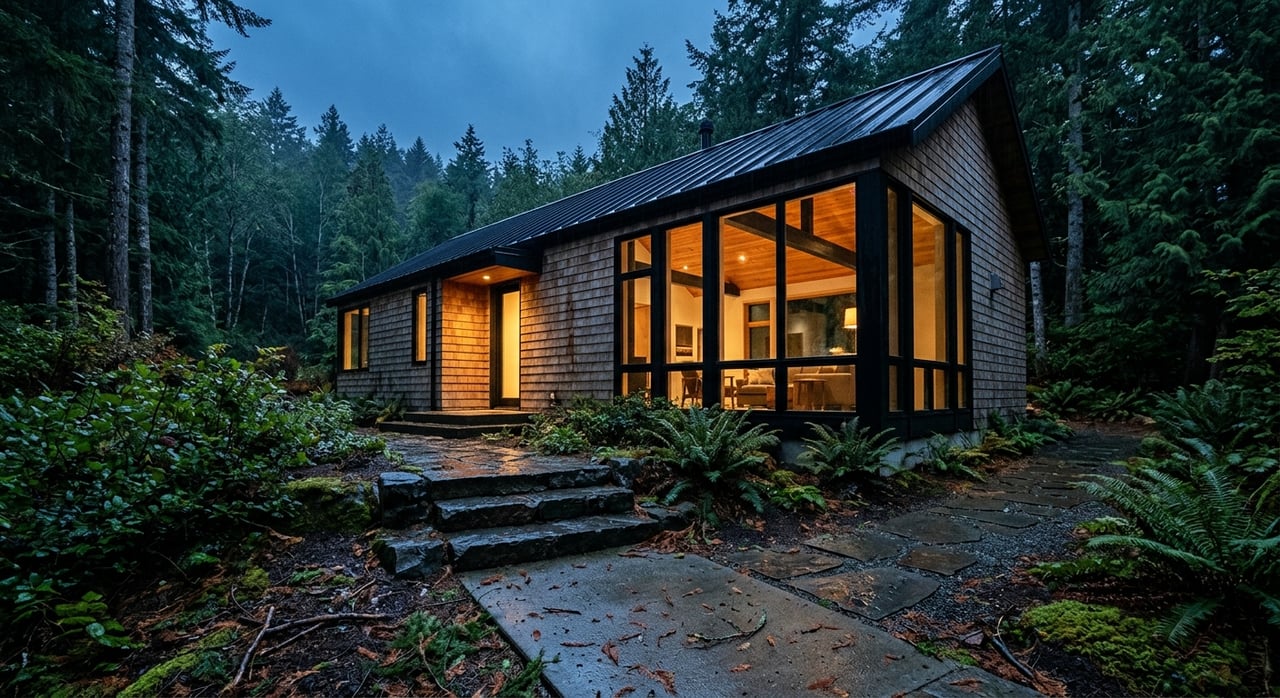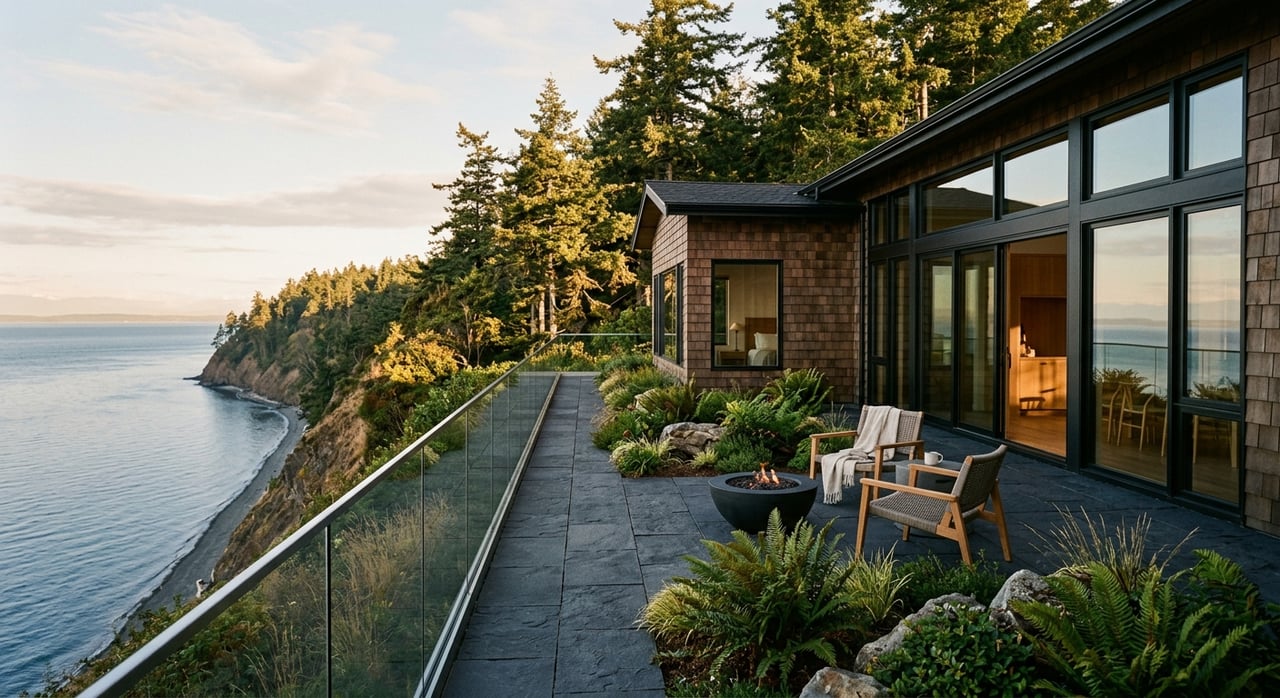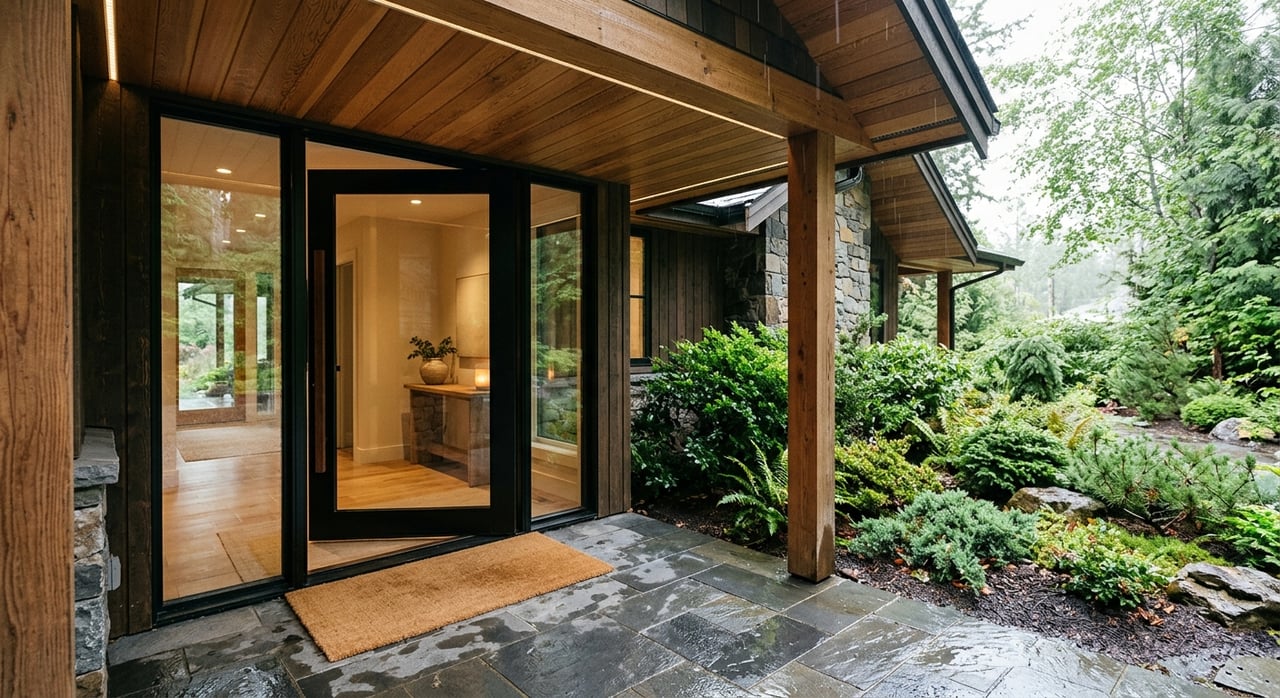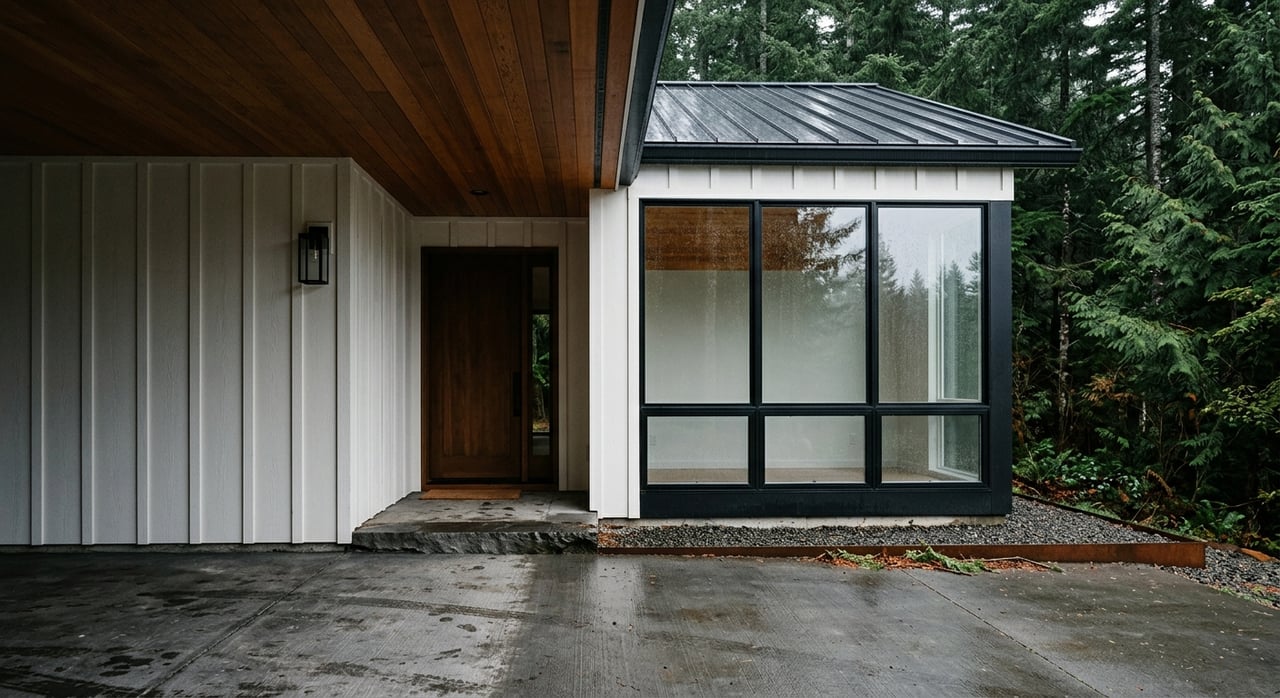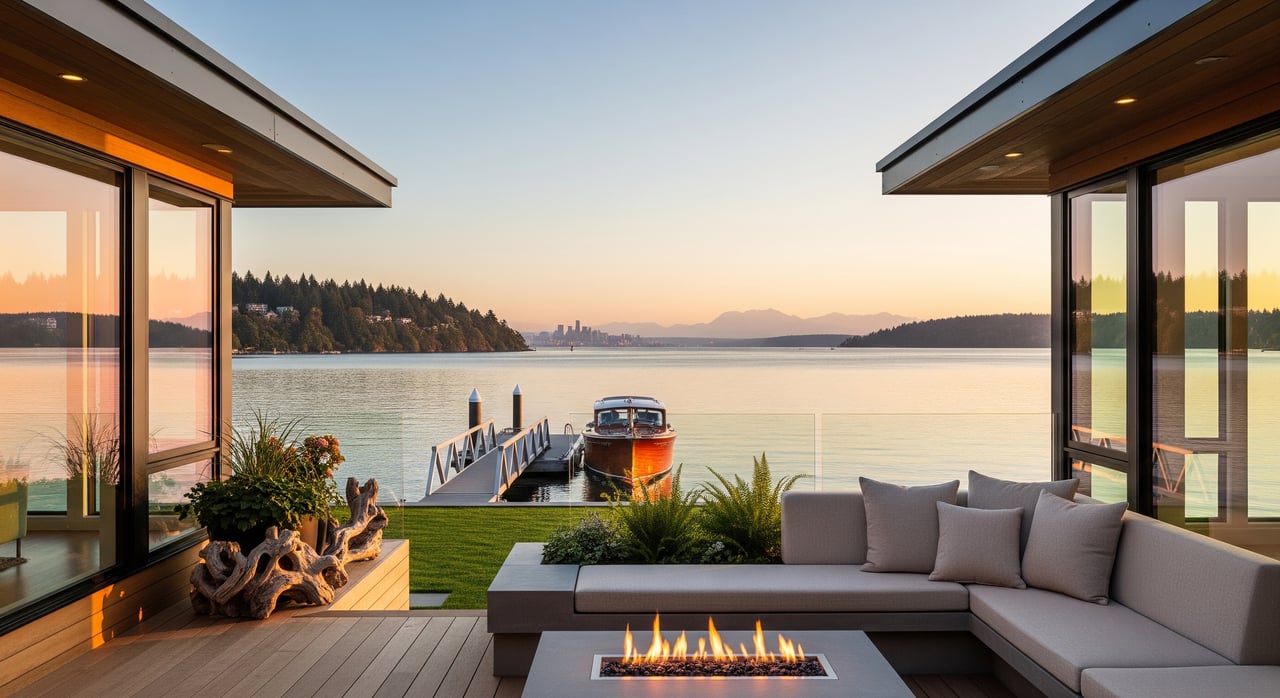
What does life feel like when Puget Sound is your backyard? Picture coffee with a changing tide chart, a mid‑day kayak, and an easy sunset walk on the beach. If you are considering a Bainbridge Island waterfront home, you want the daily rhythm as much as the view. This guide shows you how island life really works, from ferry routines and seasons to utilities, permits, and maintenance. Let’s dive in.
Everyday flow on the water
Morning starts with the light on the water and the day’s tides. You might walk the beach at low tide, then head into Winslow for errands. In the afternoon, watch for seals and eagles, check wind and weather, and plan a quick paddle or a moorage visit. Evenings often mean quiet decks, a beach fire where allowed, and ferries crossing in the distance.
If you work from home, you will want reliable power and broadband at your address. If you commute, proximity to the ferry simplifies everything. For second‑home use, plan cleaning and grounds care so the property is guest‑ready on arrival.
Commute and getting around
Ferry routine to Seattle
The Seattle–Bainbridge Island ferry is the main link to the city. The typical sailing is about 35 minutes. Peak demand is mornings to Seattle and evenings back. Foot passengers walk on and off with ease, and drivers should plan for loading queues and unloading time. Check schedules and rider updates with Washington State Ferries.
Parking and local driving
Island roads are two‑lane and slower. Many waterfront lanes are narrow, winding, and sometimes steep, so allow a few extra minutes. Parking around the Winslow ferry terminal is limited. Long‑term storage near the terminal is regulated, which matters if you plan to leave a car on‑island between visits.
Transit, walking, and biking
Kitsap Transit connects neighborhoods to Winslow and the ferry, though service is less frequent than big‑city systems. Walking is great within Winslow. Biking is popular for recreation, but hills and narrow roads limit everyday bike commuting for many residents.
Seasons on the shoreline
Summer rhythms
Summer is warm and lively. Beaches fill with walkers and tide‑poolers. Kayaks, paddleboards, and sailboats are everywhere, and marinas are bustling. Expect more weekend visitors and heavier downtown parking.
Winter pace
Winters are cool and wet. Downtown is quieter, and windy storms can disrupt ferry service at times. You will appreciate covered entries, sturdy decking, and a plan for handling wind‑driven rain on exposed sites.
Tides and daylight
Tides shape daily life. Low tides uncover broad beaches for walking and foraging. High tides make for easier boat launches. Short winter days shift outdoor time earlier, while long summer light keeps you outside late.
Recreation at your doorstep
Public shoreline is a major perk. Fort Ward Park and Fay Bainbridge State Park offer easy beach access and views. The island’s crown‑jewel gardens at Bloedel Reserve include serene forested shoreline trails. Near the ferry, culture anchors the scene at the Bainbridge Island Museum of Art and local galleries.
Sheltered coves see year‑round small‑craft use. Exposed west‑facing shores can bring bigger waves and wind, which affects launch conditions and dock use. If you plan to keep a boat, ask about slip availability and community moorage waitlists.
Waterfront property realities
Property types and micro‑locations
Waterfront on Bainbridge ranges from modest cottages and mid‑century homes to contemporary estates with private beaches or docks. Some parcels sit on bluffs with dramatic views. Others rest at low bank with sand or gravel access. Two homes a mile apart can live very differently because of wind, wave exposure, and beach profile, so walk each shoreline at both high and low tide.
Utilities you must confirm
- Sewer vs septic. Winslow and some denser areas have public sewer. Many waterfront homes rely on septic systems. Verify capacity and condition during inspections, and budget for maintenance or replacement if needed.
- Water source. Some areas connect to public water. Others use private wells. Confirm service and any connection costs.
- Power and broadband. Electricity is widely available. High‑speed wired internet varies by cove and lane. If you work remote, confirm service at the address and consider redundancy.
- Drainage and vegetation. Shoreline lots have special stormwater needs. Do not remove shoreline vegetation without understanding local rules.
Permits and shoreline rules
Washington’s Shoreline Management Act and local rules govern docks, bulkheads, vegetation, and most shoreline work. Even repairs can require permits if you alter the structure. Start with the City of Bainbridge Island for planning and permitting, and review state shoreline guidance from the Washington Department of Ecology. For docks or moorage, expect environmental standards and possible state notifications.
Hazards and insurance
Some low‑lying areas face coastal flooding during extreme tides or storm surge. Check FEMA flood maps and NOAA tools for your parcel. Lenders may require flood insurance in mapped zones. Review local tsunami evacuation routes for low‑elevation shoreline. Start with NOAA’s Tides and Currents and the FEMA Flood Map Service Center for parcel‑specific information. Waterfront homes also carry higher exposure to wind and salt, so obtain insurance quotes early.
Second homes and rentals
Short‑term rentals are regulated locally. Licensing, permitting, and neighborhood rules may limit feasibility. Confirm current requirements with the City of Bainbridge Island before you set a rental plan. Absentee owners often hire property managers for cleaning, grounds care, dock maintenance, and winterization.
Buyer checklist for waterfront due diligence
- Confirm beach access rights, shoreline classification, and any public easements.
- Obtain recent floodplain and tsunami hazard maps for the parcel.
- Verify sewer vs septic, and understand costs to connect or replace systems.
- Ask about dock permits, legal status of existing marine structures, and moorage waitlists.
- Get a home inspection that accounts for marine exposure, including foundation, seawall, pilings, and corrosion.
- Confirm broadband and cell coverage at the address if you telecommute.
- Review local shoreline and building permits for your planned remodel or expansion.
- Request homeowners and flood insurance quotes early.
- For second homes, check local rental rules and line up property management.
Where to begin and how we help
A great Bainbridge waterfront search blends lifestyle questions with practical checks. You want the right cove, the right exposure, and a property that supports how you live, from boat use to remote work. You also need a clear path through permitting, inspections, and insurance.
Our team pairs deep island knowledge with a concierge approach. We help you evaluate micro‑locations, read the shoreline, and coordinate the right inspectors and specialists so you can proceed with confidence. If you are ready to explore Bainbridge waterfront living, connect with Mark Middleton Real Estate for a private consultation.
FAQs
Is a daily Seattle commute realistic from Bainbridge Island?
- Many residents do it. The ferry sailing is about 35 minutes, with peak demand in morning and evening. Plan around schedules, loading time, and parking near the terminal.
What should I know about septic vs sewer on Bainbridge waterfronts?
- Many waterfront homes use septic systems. Verify system capacity, age, and condition during inspections, and understand setbacks and replacement options before you remodel.
How do tides affect kayaking and dock use on Bainbridge?
- Low tides expose beaches and can make some launches shallow, while high tides improve access. Conditions vary by cove and exposure, so check local tide tables and walk the shoreline at different tides.
Are private docks easy to add to a Bainbridge property?
- New docks and major modifications require permits and environmental review. Existing legal docks are valuable. Start with local planning staff and state shoreline guidance to understand feasibility and timeline.
What should second‑home owners plan for in winter on Bainbridge waterfronts?
- Expect wet, windy storms and occasional ferry disruptions. Set up property management for storm checks, gutter and drain maintenance, and off‑season dock care.
How does living near public parks affect privacy on the waterfront?
- Popular parks focus visitors in certain areas. Homes next to Fort Ward or Fay Bainbridge see more activity. Private coves are quieter, but always review nearby public access points.
What about schools if I live on the waterfront in Bainbridge?
- The Bainbridge Island School District serves the island. Check attendance boundaries, transportation, and programs directly with the district for current details.