Thinking about a Kingston waterfront home and realizing the price may push you past standard loan limits? You’re not alone. Many Kingston properties sit above the conforming cap, which means you’ll likely explore a jumbo mortgage. In this guide, you’ll learn what counts as a jumbo loan, how lenders evaluate you, how rates work, and how to align financing with a winning offer on the water. Let’s dive in.
What is a jumbo loan
A jumbo loan is any mortgage that exceeds the Federal Housing Finance Agency’s conforming loan limit for your county and property type. Because these loans are not backed by Fannie Mae or Freddie Mac, they are held or securitized by other investors or portfolio lenders. That changes how they are underwritten and priced.
2024 limits for Kitsap County
For 2024, the baseline conforming limit for a one‑unit home is $766,550. Kitsap County generally follows the baseline, so many Kingston waterfront homes price above that number. Always confirm the current year’s limit before you write an offer since FHFA updates these annually.
Why it matters for Kingston waterfront
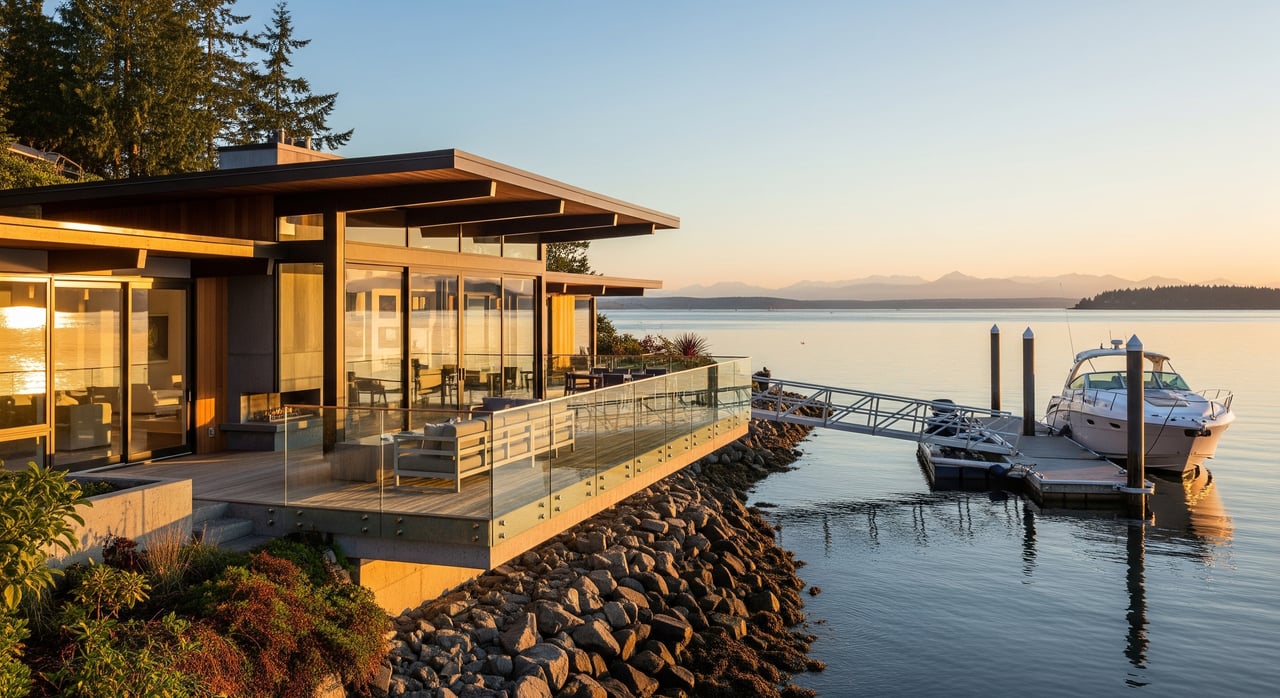
Kingston’s ferry corridor and shoreline views often command prices above the conforming threshold. Once your loan crosses that line, you enter jumbo territory with stricter documentation, higher reserve expectations, and more manual underwriting.
What lenders expect
Jumbo loans come with more paperwork and closer scrutiny. Plan ahead so your financing supports your offer timeline.
Income and credit
Most lenders want to see two years of W‑2s and recent paystubs for salaried borrowers. If you are self‑employed, expect two to three years of personal and business tax returns, profit and loss statements, and possibly K‑1s or a CPA letter. Credit scores of 700 or higher are common minimums for competitive pricing, with the strongest terms often at 740 and above.
Down payment, LTV, and reserves
Typical maximum loan‑to‑value ratios range from 75 to 80 percent for many programs. Some portfolio lenders may go higher for well‑qualified buyers. Reserve requirements are usually higher than conforming loans. Plan for about 6 to 12 months of principal, interest, taxes, and insurance in liquid assets after closing for a primary residence, with more for a second home or investment property.
DTI and loan structure
Many jumbo programs allow debt‑to‑income ratios up to roughly 43 to 50 percent, especially with strong compensating factors such as high credit and substantial reserves. Adjustable‑rate options and shorter terms can improve pricing for some borrowers.
Appraisals for waterfront
Expect a full appraisal and allow more time. Waterfront valuation is complex due to limited comparable sales and unique features like view corridors, dock rights, shoreline protection, and erosion risk. Using an appraiser with waterfront experience helps reduce surprises.
Rates and pricing
Jumbo rates move with broader capital markets and investor demand. They can be higher or occasionally similar to conforming rates depending on market conditions.
Rate drivers you control
- Credit score and LTV. Higher scores and larger down payments can improve pricing.
- Loan term and type. Shorter terms or some adjustable‑rate structures may offer lower initial rates.
- Occupancy and features. Primary residences usually price better than second homes or investments. Points and fees also affect your effective rate.
Lock strategy
Jumbo underwriting can take longer due to documentation and appraisal. Discuss lock periods, potential float‑down options, and the timeline with your lender early. Longer locks cost more but help manage market risk during a detailed review.
Waterfront‑specific issues
Kingston’s shoreline properties raise additional items that lenders and appraisers evaluate. Understanding them early can protect your timeline.
Flood zones and insurance
Lenders order a flood determination on every loan. If a home is in a Special Flood Hazard Area, flood insurance is required. Elevation certificates and flood history may be part of underwriting. Even outside mapped flood zones, many waterfront buyers add coverage. Premiums and deductibles affect your monthly budget and your lender’s debt‑to‑income calculations.
Septic, wells, and utilities
Some Kingston parcels rely on private septic systems or wells, especially on older or rural lots. Lenders may require current septic inspections and confirmation of permits that meet Kitsap County Public Health standards. Plan time for scheduling inspections and gathering records.
Shoreline rules and permits
Washington State and Kitsap County have shoreline management rules that regulate docks, bulkheads, and shoreline improvements. Appraisers and lenders consider current condition, permit history, and replacement feasibility. Unpermitted work or failing shoreline structures can complicate underwriting.
Insurance and long‑term costs
Waterfront homes can carry higher homeowners insurance premiums and may need separate flood coverage. Earthquake insurance is optional in Washington but is a consideration for many buyers. These ongoing costs factor into your overall affordability.
Offer strategy with jumbos
A strong financing package can make your offer more compelling in a competitive Kingston listing.
Pre‑underwriting power
Ask your lender for a fully documented pre‑approval or a pre‑underwritten decision. Verifying income, assets, reserves, and likely conditions up front reduces uncertainty for sellers and can strengthen your position without taking on undue risk.
Appraisal gap planning
Because waterfront comps are limited, appraisal variance is possible. If you consider an appraisal‑gap clause, cap your exposure and confirm you have the cash on hand. Alternatives include a larger earnest money deposit and strong proof of funds. Be careful about waiving financing contingencies unless your lender and timeline are fully aligned.
Timelines and contingencies
Jumbo loans commonly need 30 to 45 days to close. Waterfront appraisals or flood and septic documentation can extend that. Build a realistic inspection and loan contingency schedule, then shorten only if your lender commits in writing to faster milestones.
Lender selection
Work with lenders who regularly originate jumbo loans and understand Kitsap waterfront issues. Local portfolio lenders and credit unions can be flexible on reserves or LTV for strong borrowers. Compare pricing, reserve requirements, rate‑lock policies, and underwriting speed.
Lender questions checklist
Use this quick list to focus your lender conversations:
- What is the current conforming limit for this property type in Kitsap, and will my loan be jumbo?
- What down payment and maximum LTV apply for a primary residence vs a second home?
- How many months of PITI reserves do you require after closing?
- What documentation do you need from me, and can you complete pre‑underwriting?
- How long will appraisal and underwriting take for a Kingston waterfront property?
- Will the home require flood insurance or an elevation certificate, and what premium range should I budget?
- What options exist if I am self‑employed or need to use bank‑statement income?
- Can you outline lock periods, extension costs, and any float‑down features?
The bottom line
Buying Kingston waterfront often means crossing into jumbo territory. With the right preparation, you can keep your financing smooth and your offer competitive. Get fully vetted early, build in time for waterfront due diligence, and work with lenders and appraisers who know Kitsap shoreline properties. If you want a trusted local guide to help coordinate the moving parts and position you to win, connect with Mark Middleton Real Estate to request a private consultation.
FAQs
What is a jumbo loan for a Kingston home
- A jumbo loan exceeds the FHFA conforming limit for the county and property type, which means stricter underwriting and different investor guidelines.
What is the 2024 conforming limit in Kitsap
- The 2024 baseline one‑unit conforming limit is $766,550, which generally applies to Kitsap unless designated otherwise.
How much down payment do jumbo loans require
- Many programs top out around 75 to 80 percent LTV, and strong borrowers may access higher LTVs with portfolio lenders.
How long do jumbo loans take to close
- Plan for 30 to 45 days, with extra time for waterfront appraisals and any flood or septic documentation.
Do Kingston waterfront homes require flood insurance
- If the property is in a Special Flood Hazard Area, lenders will require flood insurance, and some buyers choose coverage even if not required.
Can self‑employed buyers qualify for jumbo financing
- Yes, but expect more documentation such as two to three years of tax returns, business financials, and possible additional verifications.
What if my jumbo appraisal comes in low
- You can negotiate price, bring additional cash to close, request a reconsideration or second appraisal, or rely on a financing contingency if included.