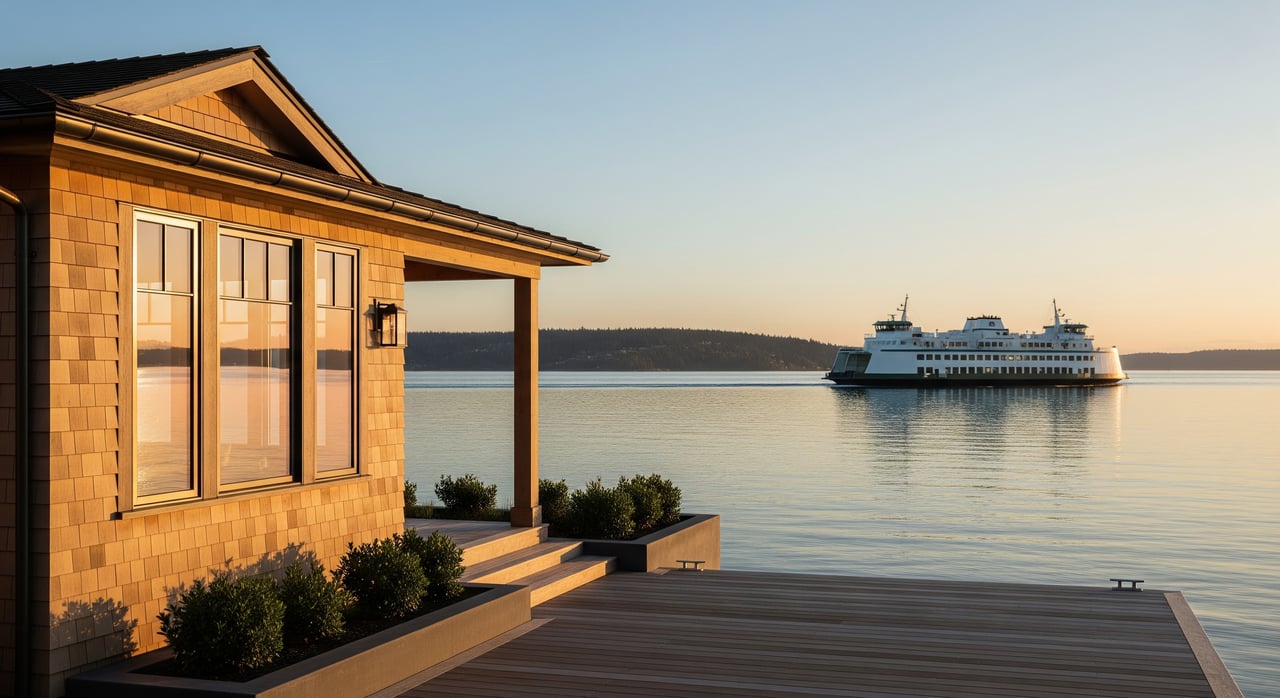
Thinking about buying in Kingston and commuting across the Sound? You are not alone. The Kingston to Edmonds ferry gives you small-town Kitsap living with direct access to the Seattle area, but it takes planning to get right. In this guide, you will learn how the route works, what to expect door to door, and practical strategies to make the commute smooth and cost-effective. Let’s dive in.
Why the Kingston ferry works
If you want a quieter Kitsap lifestyle without losing touch with the mainland, this route is a strong option. The ferry connects Kingston on the Kitsap Peninsula to Edmonds on the mainland with a typical on-water time of about 30 minutes. Service is frequent compared with longer Puget Sound routes, which helps you match sailings to work and school schedules.
You can bring a vehicle or ride as a walk-on passenger. Many commuters choose to leave a car on the Kingston side and walk on to cut daily costs and reduce the hassle of parking near Edmonds. If you live near the waterfront or have a quick bike ride to the terminal, this strategy can make a meaningful difference.
How the route operates
The Kingston to Edmonds route is part of State Route 104 and is operated by Washington State Ferries. It accommodates both vehicles and passengers. Sailing times and assigned vessels can shift with season and operational needs, so it is smart to review the current schedule before you finalize any routine.
- Typical crossing time: about 30 minutes one way.
- Frequency: roughly every 30 minutes during much of the day, with concentrated sailings during weekday peaks. First and last sailings vary by season and day.
- Capacity: peak periods can see heavier vehicle demand, which may mean waits for later boats.
Terminals and local access
Kingston terminal
The Kingston terminal sits next to the town center. You will find vehicle queuing lanes and commuter-oriented parking near the dock. Space is limited at peak times and some areas have time limits or overnight rules. Always check posted signage.
If you live close by, walking or biking to the terminal is convenient. Bicycles are accommodated on the ferry, and Kingston’s compact layout makes two-wheeled access practical for many residents.
Edmonds terminal
The Edmonds terminal has vehicle disembarkation lanes and a passenger waiting area. Public parking near the terminal is managed locally and can fill early on weekday mornings. From Edmonds, drivers typically connect to I‑5 or nearby arterials for Seattle, North Seattle, or south Sound destinations. Local bus and regional connections are available, depending on time of day and route.
Transit connections and shuttles
On the Kitsap side, Kitsap Transit operates local services that may connect Kingston neighborhoods to the terminal. On the Edmonds side, Community Transit and other regional providers offer bus links to nearby hubs and rail connections. Schedules change, so verify timing if you plan to transfer to transit on either end of your trip.
A popular approach is to drive to the Kingston terminal, park, and ride as a walk-on passenger. This can reduce daily vehicle fares and limit parking challenges near Edmonds, but it requires reliable access to allowed parking at Kingston.
Door-to-door timing you can expect
The on-water crossing is only part of your commute. The full trip depends on your proximity to the terminal, when you arrive relative to a scheduled sailing, and traffic after you land in Edmonds.
- Ferry crossing: about 30 minutes.
- Terminal wait and queuing: 0 to 30 or more minutes depending on time of day and congestion.
- Edmonds to central Seattle by car: roughly 25 to 45 minutes, with longer times possible during heavy I‑5 traffic.
Combined door-to-door time from a Kingston home to downtown Seattle often ranges from 60 to 120 minutes or more. The best way to set expectations is to test your exact route at the times you plan to travel. Try multiple trial runs on different days to see how waits and traffic vary.
Reliability and seasonal patterns
Washington State Ferries generally runs on a reliable schedule, but weather, mechanical issues, staffing, and maintenance can disrupt service. During high-demand periods, like summer tourist season and holidays, expect longer vehicle queues and possible delays. If you plan to bring a car, arriving early during peak periods is common advice. Sign up for service alerts so you can pivot quickly if a sailing changes.
Costs, fares, and payment
WSF charges separate fares for vehicles and for walk-on passengers. Vehicle fares vary by size class. There are discounts available in certain categories, and fare systems are updated from time to time. ORCA cards and regional electronic fare media may be accepted for some ferry-related payments and for connecting transit. If you are considering the walk-on strategy, confirm current fare details and any parking costs near the Kingston terminal.
Vehicle space is first come, first served. During very busy times, arriving later can mean waiting for a later sailing. For this route, reservations are generally not offered, so planning and arrival time matter.
Strategies to reduce stress and cost
- Live close to the terminal. If you can walk or bike, you will simplify your daily routine and lower costs.
- Use the walk-on approach. Many commuters park on the Kingston side and ride as walk-ons to avoid vehicle fares and Edmonds parking.
- Shift your hours. Starting earlier or later can help you miss the heaviest queues and traffic.
- Test multiple options. Try driving on, walking on with parking at Kingston, and taking connecting transit to see which mix fits your life.
- Monitor alerts. Check for service notices before you leave and build a small buffer into your daily schedule.
Who benefits most
You will likely appreciate the Kingston ferry commute if you want a small-town Kitsap lifestyle and can accept longer travel windows to reach mainland jobs or services. Hybrid or remote workers often find the balance ideal, especially if in-office days are limited or flexible. Buyers looking for a second home with easy weekend access also find the route practical.
If you need predictable arrival times every day with very tight margins, you may want to plan extra buffers or explore flexible work options to reduce weekly ferry trips.
Home search tips for ferry-focused buyers
- Prioritize proximity. Homes within easy reach of the terminal make walk-on commuting simpler and can cut your daily variability.
- Confirm parking rules. Learn where you can legally park near the Kingston terminal, and whether time limits or overnight rules apply.
- Think about bikes. A secure place for bicycle storage at home can make your terminal access fast and consistent.
- Factor in family schedules. Consider school and evening activities when you map your weekly plan.
- Plan for seasons. Summer and holidays change demand. Try a few practice runs during these periods if they will affect your routine.
A simple testing plan
Use this checklist to build your personal baseline:
- Pick your target work arrival time, then select two ferry sailings that would get you there. Test both on different days.
- Measure door to door from your prospective neighborhood to your workplace, including parking, queuing, walking, and driving after you land.
- Try a return trip during the afternoon peak and a later off-peak sailing to see how timing varies.
- Repeat the test as a walk-on passenger and as a driver to compare costs and reliability.
- Note where delays occur and build a buffer that fits your risk tolerance.
Final thoughts
The Kingston to Edmonds ferry can be a reliable and livable commute if you approach it with a plan. The crossing is short, service is frequent, and a smart walk-on strategy can keep costs down. The trade-off is time, plus the need to pay attention to schedules and occasional disruptions. If you want Kitsap’s slower pace with quick mainland access, this balance can be well worth it.
If you are weighing homes near the Kingston terminal or across Kitsap County, we can help you assess commute options alongside property selection, staging, and negotiation. For tailored guidance that fits your schedule and lifestyle, reach out to Mark Middleton Real Estate.
FAQs
How long is the Kingston to Edmonds ferry crossing?
- The typical on-water time is about 30 minutes, with total trip time varying based on boarding, queuing, and traffic after you land.
Are there reservations for the Kingston–Edmonds route?
- For this route, vehicle reservations are generally not offered, so arrival time and planning matter during busy periods.
Is it better to walk on or drive a car onto the ferry?
- Walking on can reduce daily costs and simplify parking, while driving is convenient for door-to-door trips; test both to see which fits your schedule and budget.
Can I park overnight near the Kingston terminal?
- There is commuter-oriented parking near the terminal, but space is limited and some areas have time limits or overnight rules, so always check posted signage.
What transit options connect from Edmonds to Seattle?
- Bus and regional connections are available from the Edmonds side, with options varying by time of day; confirm current routes and timing before you travel.
How reliable is the ferry for daily work commutes?
- Service is generally reliable, but weather, maintenance, and peak demand can cause delays; monitoring service alerts and arriving early during peaks helps reduce risk.